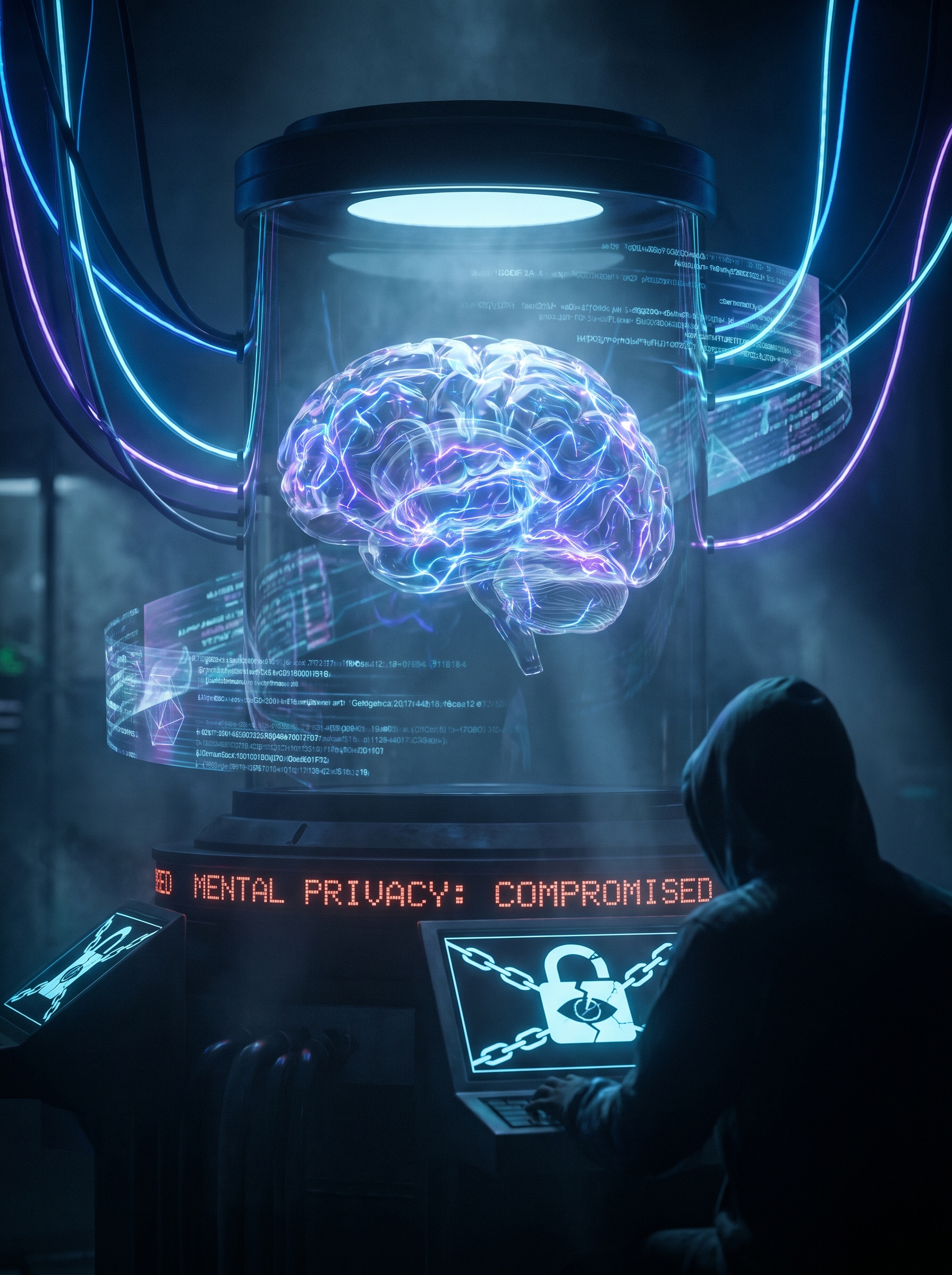
What If Your Thoughts Are No Longer Private by 2035?
The Last Sanctuary of Humanity Is About to Vanish
For 200,000 years, one thing remained absolutely sacred: your thoughts were yours alone. By 2035, that final fortress of privacy will crumble. Employers will monitor your stress levels through brain-sensing earbuds. Advertisers will market to you while you sleep. Authorities could implicate you in crimes through brain-data synchronization. Your inner monologue—your fantasies, your doubts, your secret dreams—will become commodifiable data. This isn't sci-fi. It's already coming.
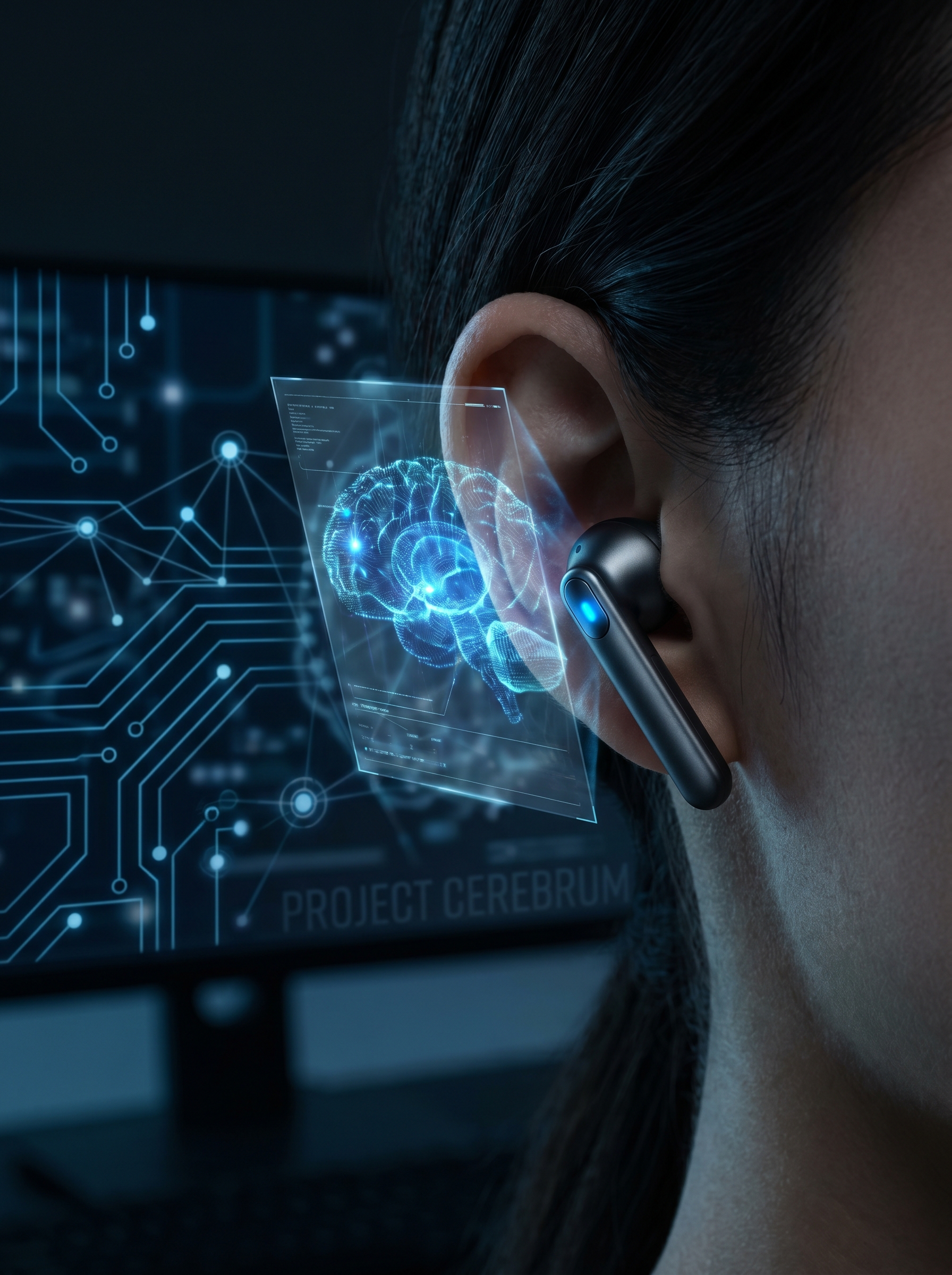
The Technology That Will End Mental Privacy
| Technology |
What It Does |
Timeline |
| EEG earbuds |
Pick up electrical brain activity through wearable sensors |
Already on market |
| Brain-sensing XR glasses |
Track attention, emotional states via brain sensors |
Apple Vision Pro, Meta Quest 3 |
| Generative AI + neural |
Predict words from brain = "thought autocomplete" |
Coming 2026-2030 |
| Sleep neurotech |
Track brain during sleep + dream ads |
Already tested |
| Brain-data sync |
Detect brain sync between people |
Law enforcement could use |
The critical breakthrough: Generative AI + brain sensors can predict what you're thinking before you speak it.
2035 Workplace: Your Boss Knows What You're Thinking
Picture this scene from 2035:
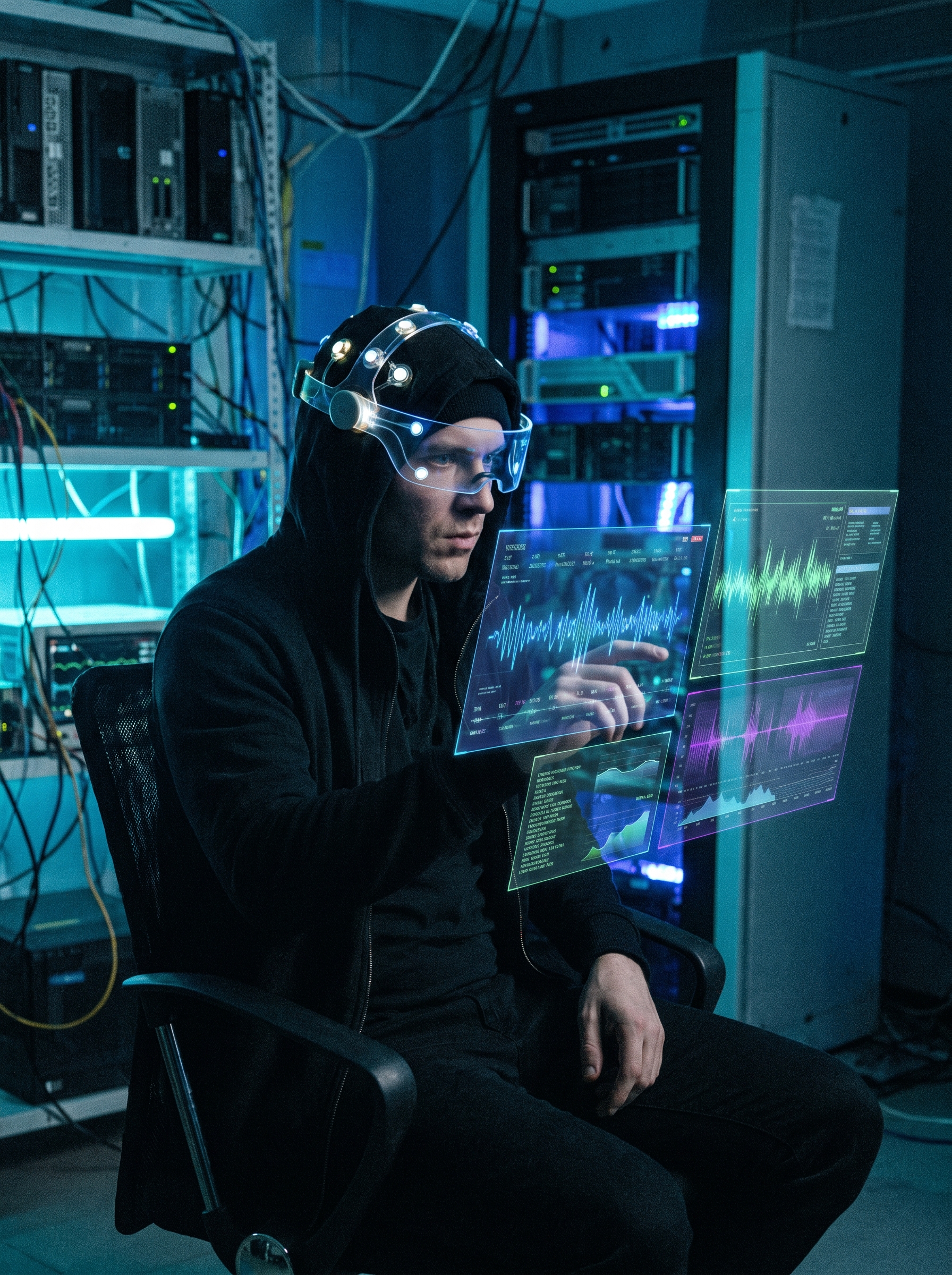
An employee wears brain-sensing earbuds. The earbuds track stress levels while typing. Later, they notice unusual patterns during sleep. They type an email through their brain to their doctor.
While fantasizing about a colleague, a warning pops up: "Inter-office romances prohibited." Her employer has access to all brain data.
This is within reach. Workplaces already issue brain-sensing earbuds.
The Curiosity Trap: Why We'll Volunteer Our Thoughts
The terrifying part? We'll choose this.
- Utility as Trojan Horse: "Fun experiences" require neural tech opt-in
- Location precedent: Students share location with hundreds
- Meditation groups: People share brain activity as status
- Collective problem: If you don't share, you're "weird"
"We're crossing a threshold we've never passed before. It has profound implications for what it means to be human"
Deep Thinking: The 6 Catastrophic Consequences
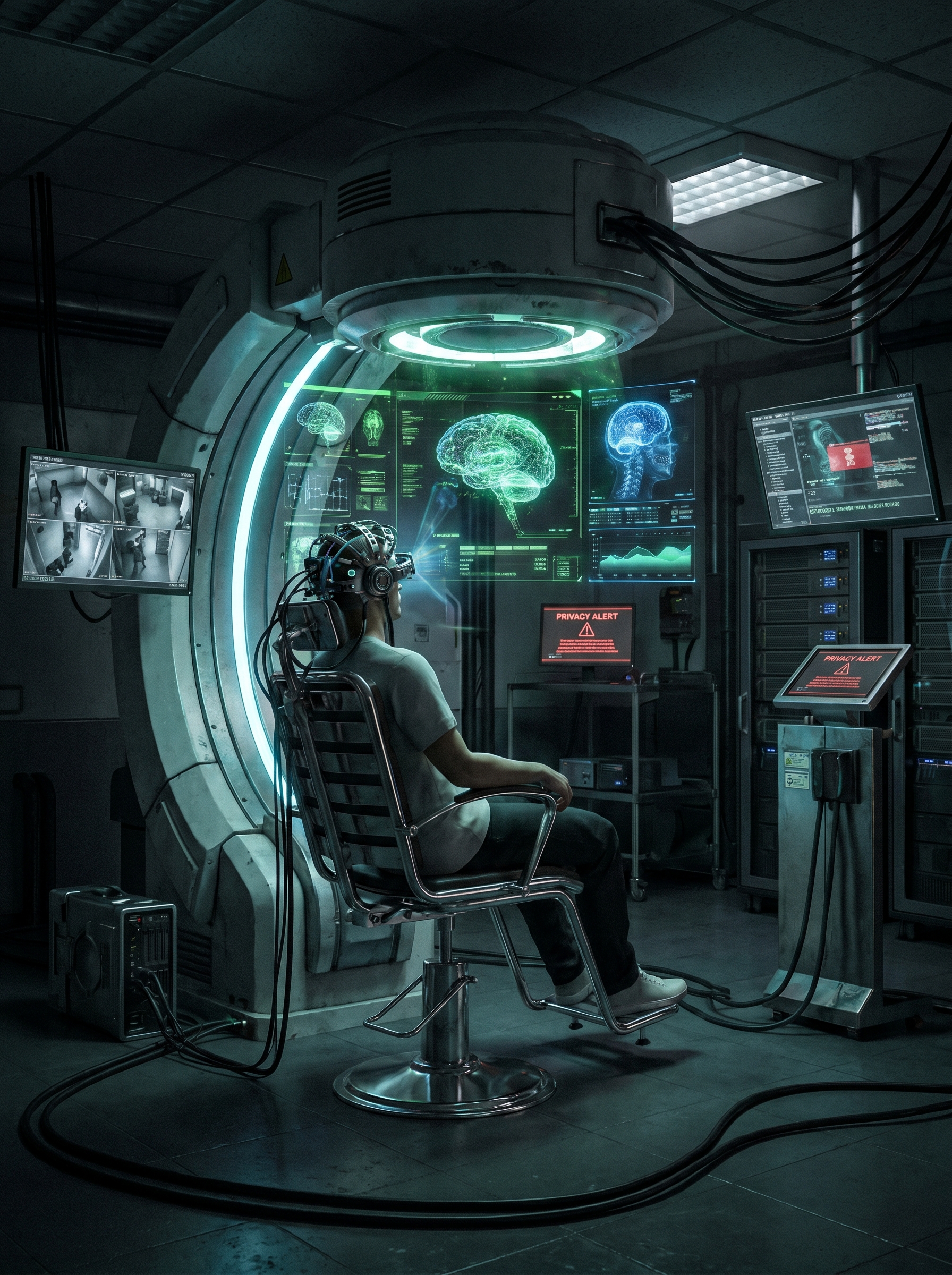
1. No Space to "Become" Yourself
As kids, we had private thoughts. Without mental privacy, becoming a self is impossible.
2. Thoughts as Criminal Evidence
Brain sync could implicate you in crimes you didn't commit. No warrant needed.
3. Advertising While You Sleep
Sleep is the most suggestible state for ads. Companies already incubated associations in sleeping minds.
4. Self-Control Turns Off
Self-control brain regions turn off. You watch 4 episodes instead of 1.
5. Cognitive Liberty Violation
This is the precondition for self-actualization. Without it, we're diminished.
6. The Matrix Arrives
Environments change with your brain = real-time psychological steering.
Long-Term Relevance (2030–2050)
| Time |
What Happens |
Why Permanent |
| 2026-2028 |
EEG in earbuds |
Mass adoption |
| 2028-2032 |
AI + brain = autocomplete |
Predicts words |
| 2032-2035 |
Workplace neurotech |
Brain = bonuses |
| 2035-2040 |
Sleep ads standard |
Most effective |
| 2040-2050 |
Total transparency |
Excluded if private |
The UN Warned (June 2025)
In June 2025, 194 UN countries adopted neurotech ethics:
- Eye movement + tone can infer neural data
- Neuromarketing manipulates without consent—especially while asleep
- Users are unaware
What Can You Do NOW?
- Demand transparency: Ask what data leaves devices
- Don't buy opaque: Only clear privacy policies
- Advocate laws: Colorado passed, California pending
- Children's privacy: No student surveillance
- Employees' privacy: Non-negotiable
"We still have time to make choices before products are widespread"
Final Thought: Your Mind Is the Last Fortress
For centuries, the mind was the final sanctuary. By 2035, walls of glass.
Question isn't if technology arrives. It's whether we preserve Liberty before window closes.
"Our minds are sanctum sanctorum. Technology influences us at visceral level without us knowing."
This is the battle for your brain. Starting now.


