Business is not complicated. Someone has a problem. You solve it. You charge for the solution. The world in 2026 is full of enormous, obvious, urgent human problems that nobody has built a proper physical business around. These five are the ones that keep the most serious founders, scientists, and investors up at night — because the market exists, the technology exists, the need exists, and almost nobody has started yet.
Every business here requires physical infrastructure. Real buildings, real equipment, real staff, real operations. That is not a weakness — it is the moat. The hardest businesses to copy are the ones that require real-world assets. An app can be copied in weeks. A network of atmospheric water plants cannot. A chain of longevity clinics cannot. Physical business is the highest-barrier, highest-reward category available to any founder who is willing to build something real.
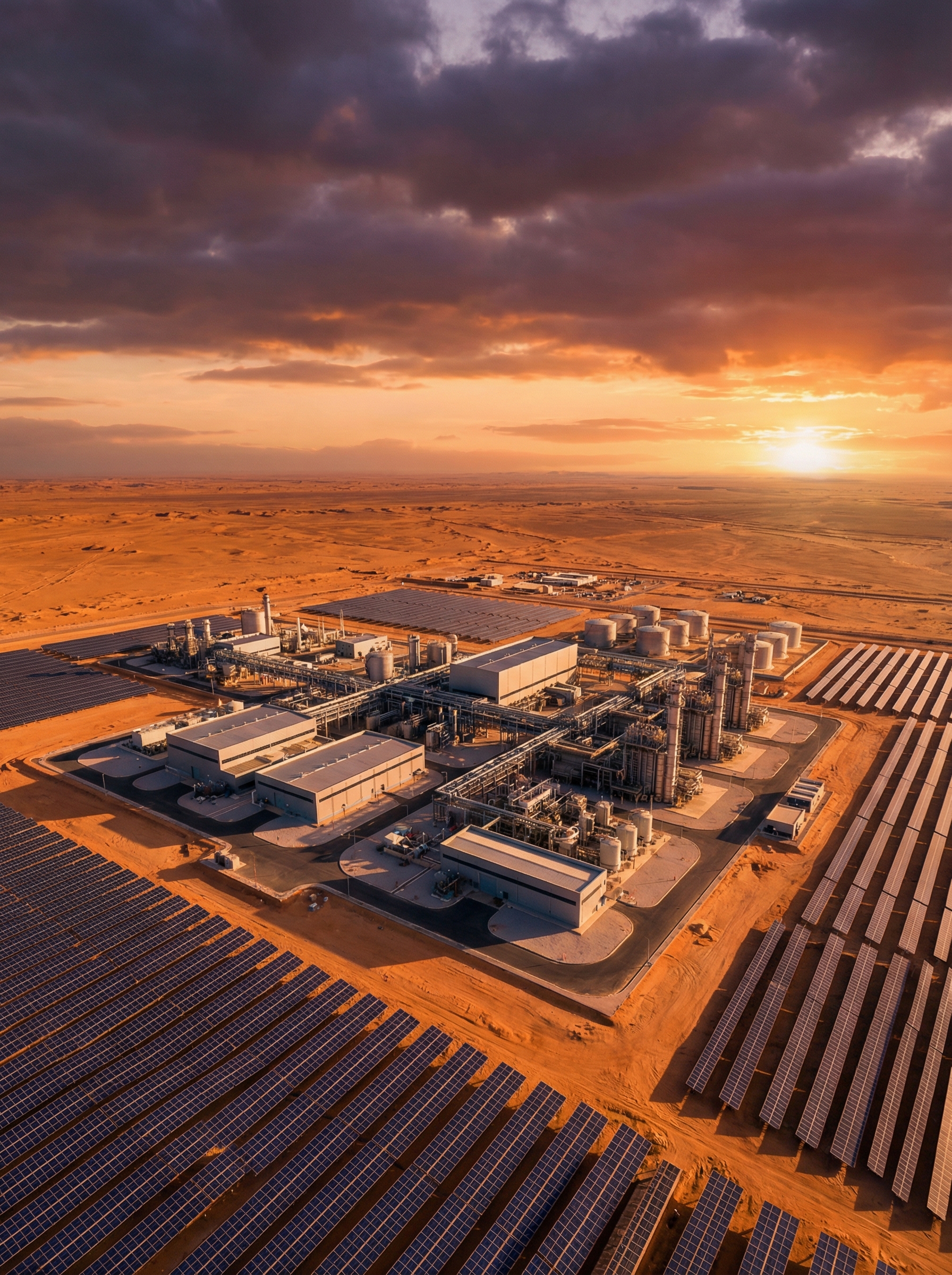
Right now, over 2 billion people lack access to safe drinking water. By 2030, global water demand will exceed supply by 40%. The solution exists — atmospheric water generators (AWGs) pull moisture from air and convert it to drinking water — but nobody has built a scaled physical network of AWG plants serving cities commercially. This is a business with guaranteed customers, guaranteed demand, and almost zero competition at scale.
2B+
People Lacking Safe Water
40%
Supply Shortfall by 2030
0
Scaled AWG Networks Exist
How This Business Actually Works
→
Build or lease warehouse-scale AWG units in water-stressed cities — Middle East, North Africa, South Asia, California, Spain. Each unit produces 5,000–50,000 litres per day from ambient humidity. Solar-powered. Zero water source required.
→
Sell water wholesale to municipalities, hotels, hospitals, industrial facilities on long-term contracts. Government buyers mean guaranteed revenue. 10-year contracts are standard in water infrastructure. You never chase a customer twice.
→
Expand through replication. One plant = proof of concept. 20 plants = a company. 200 plants = a $50M+ revenue business. The model is identical to a utility company — capital-intensive upfront, extraordinarily stable thereafter.
→
Carbon credits as additional revenue. Solar-powered water production generates carbon offset credits. Each large AWG plant can generate $100,000–$500,000 in annual carbon credits on top of water sales. Two revenue streams from one asset.
🔑
Why Nobody Has Done This at Scale Yet
AWG technology has existed for decades, but until solar power became cheap enough (2020s), the energy cost made water too expensive. Now solar AWGs produce water at competitive cost — and the window to build the first scaled network is open right now. First mover in any water-stressed city owns that market permanently. Municipalities do not switch water suppliers.
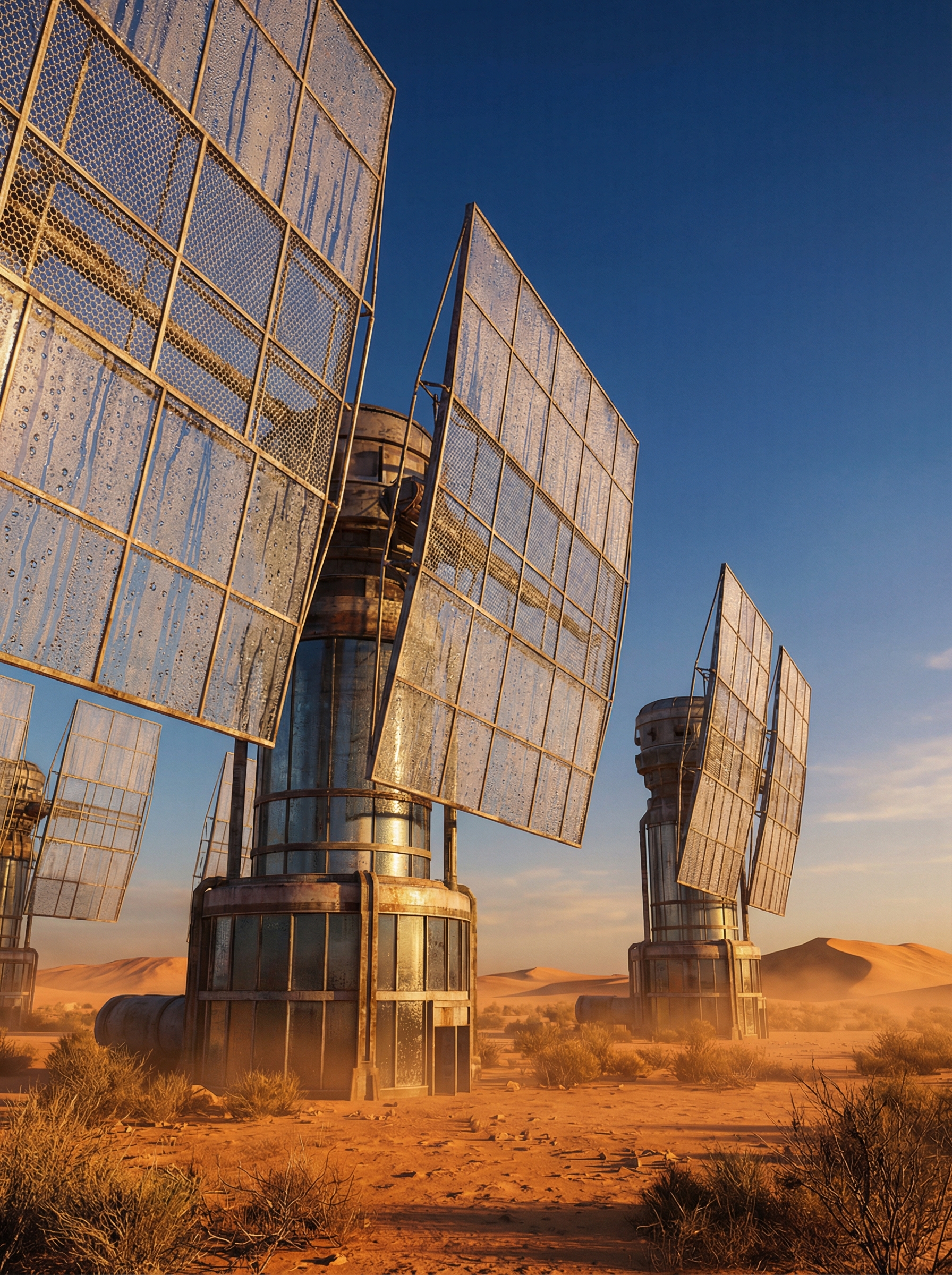
Atmospheric Water · Harvested from Air · The Business the World Needs Most Right Now
The world has gyms for fitness. It has spas for relaxation. It has doctors for illness. It has nothing for sleep — despite sleep being the single most important factor in human health, productivity, and longevity. 1 in 3 adults globally suffer from chronic sleep deprivation. The economic cost of poor sleep in the USA alone is $411 billion per year. Nobody has built a physical, premium, science-backed studio specifically for sleep restoration. The space is completely empty.
$411B
US Sleep Loss Cost/Year
$80B
Sleep Aid Market 2026
0
Scaled Sleep Studio Chains
How This Business Actually Works
→
Build premium sleep pods in high-footfall urban locations — near airports, business districts, hospital districts. Pods are acoustically sealed, temperature-controlled, light-optimised environments with biometric monitoring. 60-minute to 8-hour session bookings. Price: $25–$150 per session depending on duration.
→
Add the diagnostic layer. Every session generates sleep quality data — brain wave patterns, REM cycles, heart rate variability. Monthly membership includes a sleep coach who reviews data and prescribes improvements. This is the recurring revenue engine. $299/month membership. 1,000 members per location = $3.6M ARR per studio.
→
Corporate contracts are the scale play. Every major employer is desperate to reduce presenteeism — employees showing up physically but cognitively impaired from poor sleep. B2B packages sold to companies for their employees provide predictable bulk revenue and open every corporate campus as a distribution channel.
→
15 studios in 5 cities at maturity = $54M+ annual revenue. The model is identical to premium fitness chains — high membership, recurring revenue, studio replication. The difference is zero competition in the space.
🔑
Why Nobody Has Done This at Scale Yet
Nap pods exist in some airports. Sleep clinics exist for medical diagnosis. But a premium, aspirational, data-driven sleep performance studio — positioned as the gym for your brain — does not exist as a chain anywhere on Earth. The cultural moment is here: sleep is now recognized as performance optimization, not laziness. The same people paying $300/month for gym memberships will pay the same for sleep.

Sleep Performance Studio · The Gym for Your Brain · Zero Competition · Global Need
Business 03
Every year, billions of tonnes of agricultural waste — rice husks, corn stalks, wood chips, coconut shells — are either burned in open fields (creating massive pollution) or left to rot. Biochar is what happens when you heat this waste without oxygen: a stable carbon structure that, when added to soil, dramatically increases crop yields, locks carbon into the ground for hundreds of years, and generates certified carbon credits. Three revenue streams from one operation. The raw material is free. And it is available everywhere on Earth.
$500
Per Tonne Biochar Price
$150
Per Tonne Carbon Credit
How This Business Actually Works
→
Establish collection agreements with farms in a 100km radius. Farmers pay to have waste removed (or give it free — it is a problem for them). You collect, transport, and process at a central pyrolysis facility. The raw material cost is negative — you are being paid to take the feedstock.
→
Three revenue streams simultaneously: (1) Sell biochar to farms, landscapers, and municipalities as soil amendment at $400–$700 per tonne. (2) Sell certified carbon removal credits to corporations needing to offset emissions at $100–$200 per tonne. (3) Sell the heat energy generated during pyrolysis back to the grid or to adjacent industrial users.
→
One facility processes 10,000 tonnes/year. Revenue: $5M biochar sales + $1.5M carbon credits + $500K heat energy = $7M per facility. Build 8 regional facilities across one country = $56M annual revenue. The model replicates identically in any agricultural region on Earth.
→
Government incentives accelerate everything. EU, US, Australia, India all have active biochar and carbon sequestration subsidy programmes. In many jurisdictions, a biochar facility pays for itself in 18–24 months through combined revenue and grant income.
🔑
Why Nobody Has Done This at Scale Yet
Biochar has been scientifically documented for decades — ancient Amazonian civilisations used it to create the extraordinarily fertile "terra preta" soils that remain astonishingly productive 2,000 years later. But scaled commercial networks — collecting regional waste, processing it, and selling three output streams simultaneously — do not yet exist outside of a handful of small pilots. The carbon credit market reaching maturity in 2024–2025 is what makes this viable now. The timing window is open.
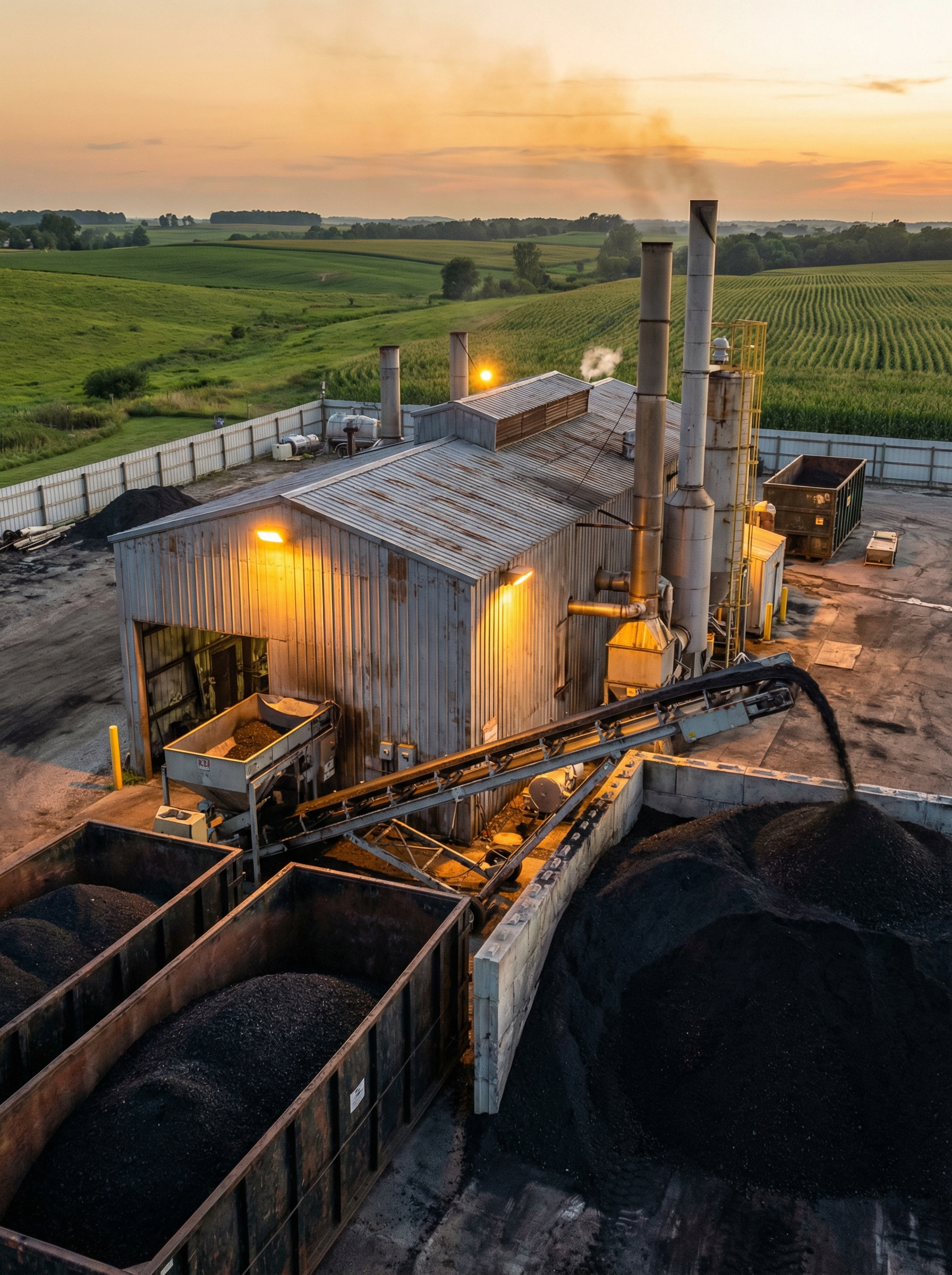
Biochar Network · Three Revenue Streams · Free Raw Material · Carbon Removal at Scale
Business 04
Your chronological age is how long you have lived. Your biological age is how old your cells actually are — and they are not the same number. Scientific tools now exist to measure biological age with precision — epigenetic clocks, telomere length testing, continuous biomarker monitoring — and documented interventions exist to reduce it. Millions of people are willing to pay significant sums to have their biological age measured, monitored, and actively optimised. Nobody has built a high-street physical clinic chain to deliver this service.
$27B
Longevity Market 2026
$500
Monthly Member Revenue
89%
Member Retention (est.)
0
Scaled Clinic Chains Exist
How This Business Actually Works
→
Entry assessment: New member pays $800–$2,000 for comprehensive biological age assessment — epigenetic methylation testing, telomere length, VO2 max, cognitive function battery, advanced blood panel (200+ biomarkers), continuous glucose monitoring. They receive a precise biological age score and a personalised intervention protocol.
→
Membership is the engine: $400–$600/month for quarterly reassessment, monthly coaching, protocol adjustment, and access to the clinic's intervention suite — cold therapy, hyperbaric oxygen, red light therapy, IV nutrient infusions, personalised supplement protocols. The product is measurable progress — members see their biological age number move. This retention mechanism is unmatched in health.
→
Corporate partnerships amplify scale. Every corporation with a serious leadership team wants this for their executives. A $50,000/year corporate membership covering 10 executives sells itself to any company spending millions on executive retention. B2B revenue compounds the consumer membership base.
→
One clinic: 400 members × $500/month = $2.4M ARR + assessments + corporate. 20 clinics across major cities = $50M+ annual revenue. The model mirrors dental chains and specialist medical chains — proven, scalable, defensible.
🔑
Why Nobody Has Done This at Scale Yet
Longevity science has existed in academic journals for decades. A handful of extremely expensive concierge clinics serve ultra-wealthy clients. But a premium-but-accessible chain — in the $400–$600/month range, in high-street locations, with a clear measurable outcome (your biological age number) — does not exist. The science has only recently become commercially deployable. The epigenetic testing that cost $5,000 in 2020 costs $300 in 2026. The window to build the first chain is right now.

Biological Age Reversal · Measurable Science · The Premium Health Business of 2026
Business 05
Every major city on Earth is in a crisis of nature deficit. Governments, corporations, and property developers are legally required — or strongly incentivised — to add biodiversity to urban environments. Living walls, rooftop meadows, biodiverse green corridors, pollinator habitats, urban wetlands, moss installations, native plant systems — the demand for professional installation and ongoing maintenance of living urban ecosystems is enormous and growing. The profession that serves this demand barely exists.
$300B
Green Building Market
Legal
Biodiversity Mandates EU/UK
How This Business Actually Works
→
Design and install living ecosystems in commercial properties, residential buildings, public spaces, and corporate campuses. Projects range from $50,000 rooftop meadows to $2M+ living building facades. Each project requires specialised ecological knowledge, custom plant selection, irrigation engineering, and structural assessment — creating a genuine technical moat that a landscaping company cannot easily copy.
→
Maintenance contracts are the recurring revenue. A living wall or urban wetland does not maintain itself. Annual maintenance contracts at 15–25% of installation value generate predictable recurring revenue forever. Install $10M of projects → generate $1.5–2.5M in annual maintenance revenue that compounds every year as the portfolio grows.
→
Biodiversity Net Gain (BNG) consulting is the premium service layer. In the UK, EU, and increasingly globally, developers are legally required to demonstrate measurable biodiversity improvement. Quantifying, designing, and certifying BNG compliance is a specialist service commanding $200–$500/hour rates. This is pure advisory margin on top of physical installation.
→
Carbon and biodiversity credits from certified urban nature installations are an emerging secondary revenue stream. Urban trees and wetlands generate verified carbon credits. By 2028, a company that installed urban ecosystems across 50 cities will have a portfolio generating passive credit income on top of installation and maintenance revenue.
🔑
Why Nobody Has Done This at Scale Yet
Landscape gardening companies exist everywhere. Ecological consultancies exist. Vertical garden installers exist. But a company that combines all three — ecological design expertise + physical installation capability + regulatory compliance consulting + ongoing maintenance + carbon credit management — does not exist as a scaled chain. The UK's mandatory Biodiversity Net Gain legislation (effective 2024) and similar laws across Europe created this market legally overnight. The contractors to serve it have not appeared yet.
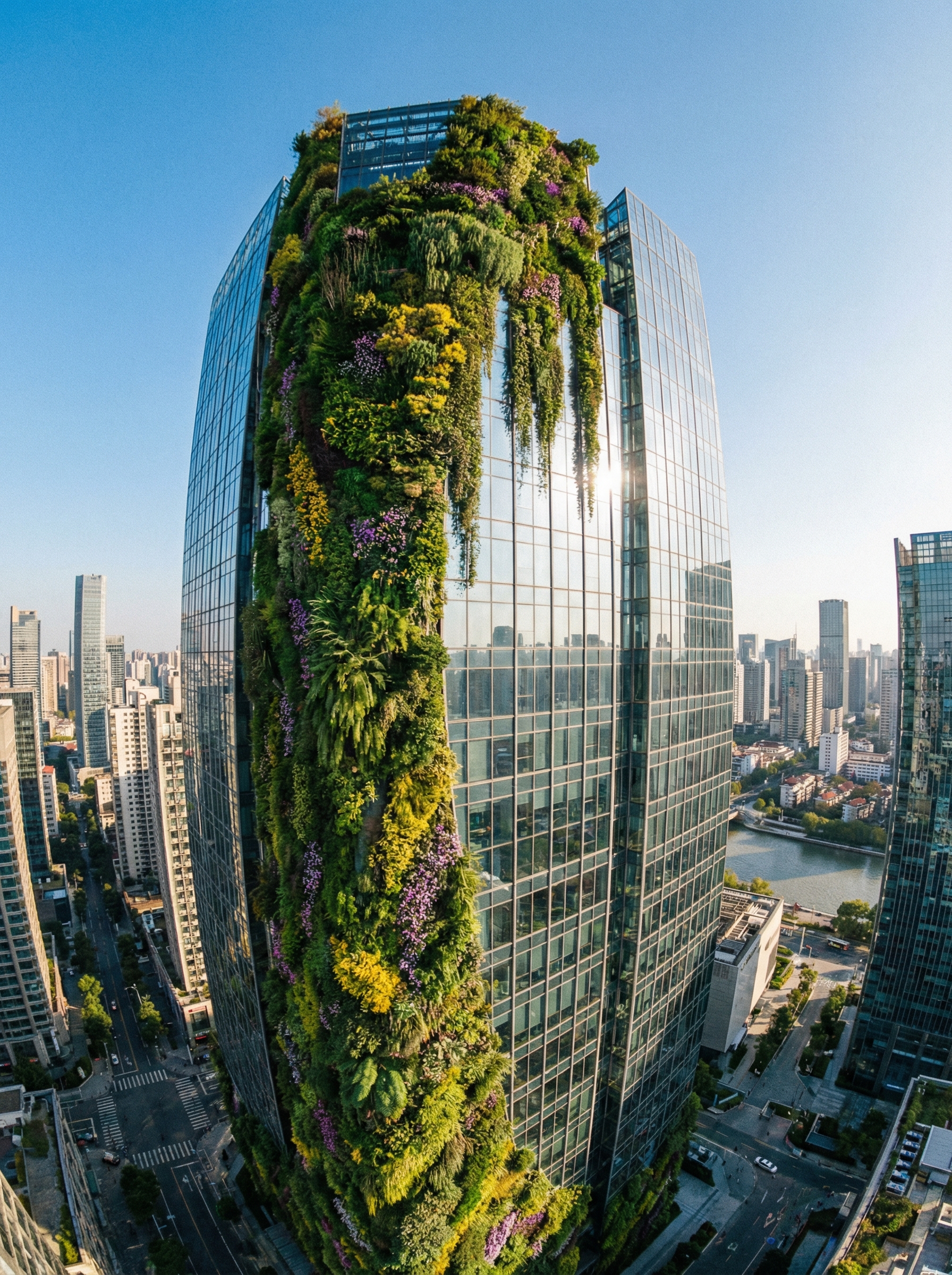
Urban Rewilding · Living Cities · The Physical Business Cities Are Legally Required to Buy
Summary
| Business |
Start Cost |
Revenue/Unit |
Path to $50M |
Competition |
| 💧 Atmospheric Water |
$2M–5M/plant |
$3–7M/plant/yr |
8–10 plants |
Near Zero |
| 😴 Sleep Studios |
$500K–1M/studio |
$3–4M/studio/yr |
15 studios |
Zero Chains |
| 🔥 Biochar Farms |
$1–3M/facility |
$6–8M/facility/yr |
8 facilities |
Minimal |
| 🧬 Longevity Clinics |
$800K–1.5M/clinic |
$2.5–4M/clinic/yr |
15–20 clinics |
No Chains Exist |
| 🦋 Urban Rewilding |
$200K–500K |
Variable + Recurring |
50+ city presence |
Nobody at Scale |
"The best businesses are the ones that solve the problems everyone can see but nobody has built the solution to yet. Those windows stay open for a very short time."
— First Principle of Physical Business Building