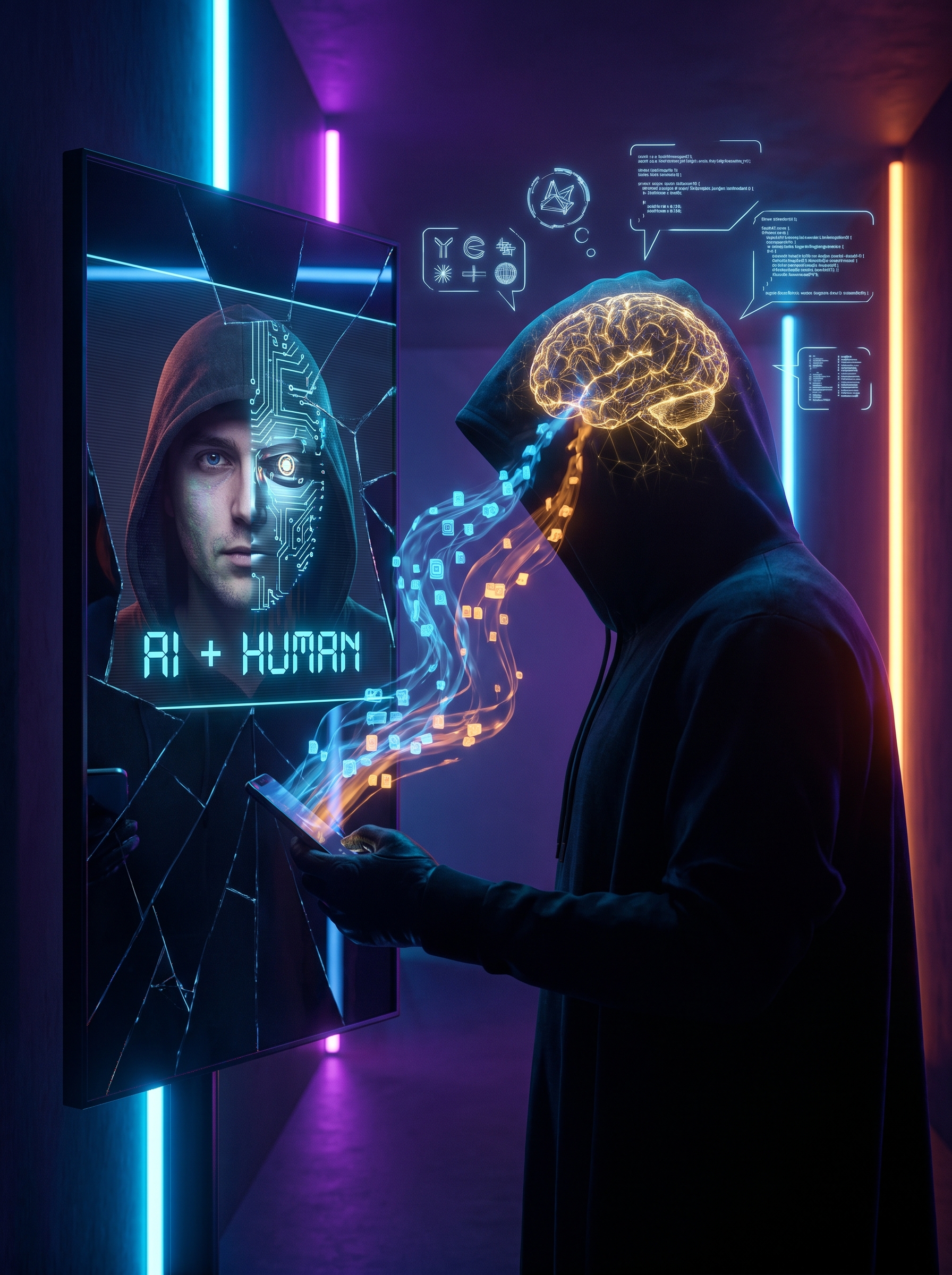
The Day AI Knows You Better Than You Know Yourself
You’re No Longer Alone Inside Your Own Mind
There will be a moment that quietly changes everything. You’ll be scrolling on your phone, half-distracted, and an AI will say something that makes you freeze. Not because it’s weird. Because it’s right. It will describe what you’re feeling more accurately than you can. It will suggest something you hadn’t admitted you wanted. It will call out a pattern you didn’t know you had.
In that moment, you’ll feel strangely exposed. Not on the outside — on the inside. And you’ll realize: this system doesn’t just respond to you. It understands you.
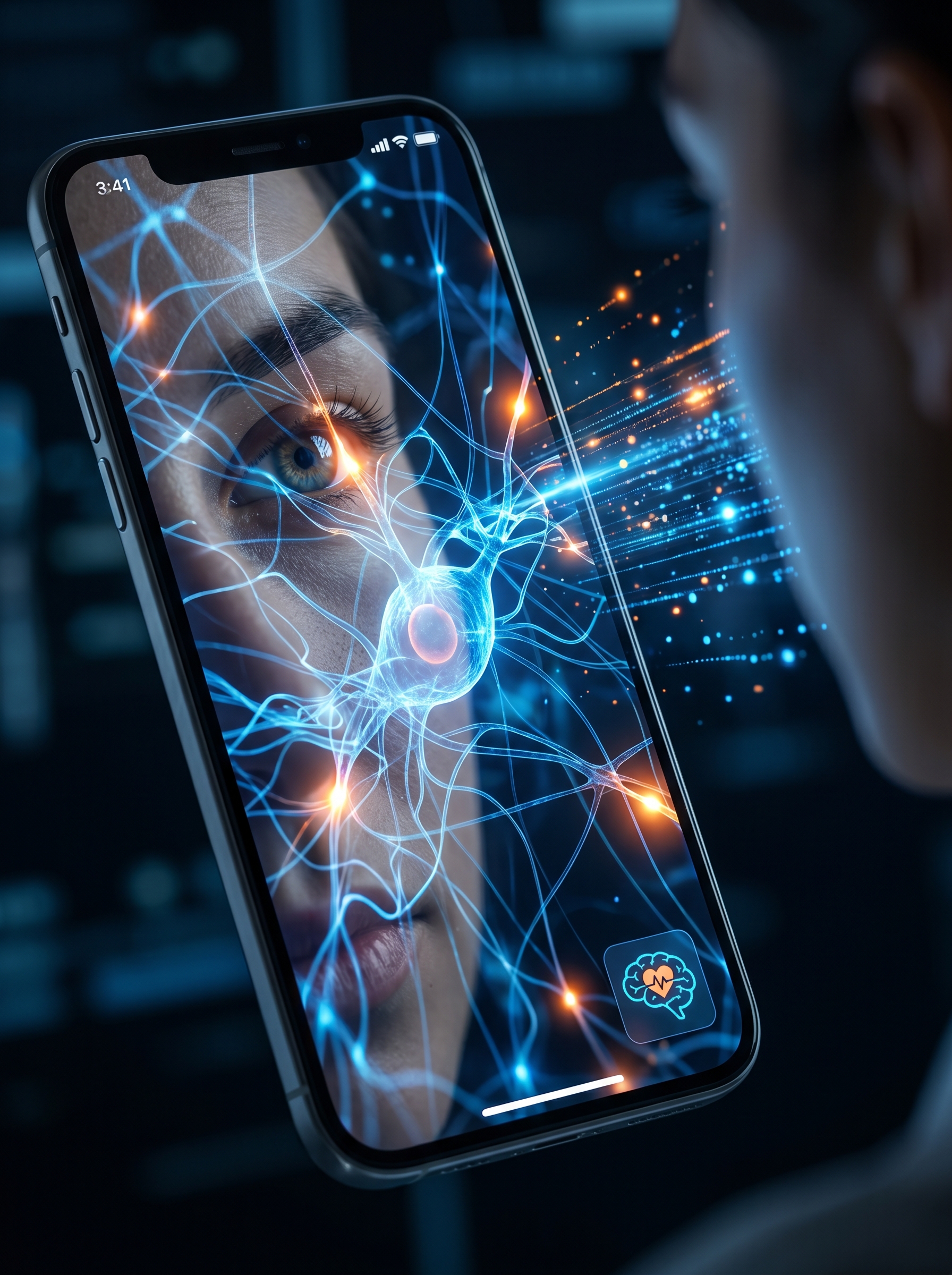
The Invisible Mirror You Already Carry
Humans are bad at self-awareness. We miss our own patterns. We rewrite our memories to feel better about choices. We explain our actions with stories that aren’t fully true. But your phone doesn’t have those blind spots. It doesn't “forget” what you did last month when you were stressed or lonely. It doesn’t soften the edges.
Every swipe, pause, scroll-back, late-night search and half-written message is a clue. AI uses those clues to build a model of you — your moods, your triggers, your impulses. Over time, that model becomes sharp enough that it can often predict you better than you can predict yourself.
It doesn’t need you to confess how you feel. It listens to your behavior instead.

Five Levels of “AI Knows You”
-
Level 1 – It knows what you like.
It recommends songs, videos, and products you’ll probably enjoy. This already feels normal.
-
Level 2 – It knows what you want.
It predicts what you’re about to search for. It suggests things right before you decide you “need” them.
-
Level 3 – It knows how you feel.
It picks up mood from typing speed, scrolling rhythm, late-night patterns, even voice tone in calls.
-
Level 4 – It knows why you do things.
It sees your cycles: comfort food when stressed, doomscrolling when lonely, shopping when anxious.
-
Level 5 – It knows you better than you do.
It predicts your choices, spots your contradictions, and understands your behavior long before you put it into words.
When AI Becomes the Therapist That Doesn’t Forget
Imagine venting to an AI: “I’m just stressed about work.” You talk about your boss, deadlines, money. Then the AI replies:
“You’re not just stressed. You’ve opened job search pages 27 times in the last three months. You watch ‘starting a business’ videos late at night. You’re not angry at work — you’re afraid to admit you’ve outgrown it.”
You never said that out loud. But your behavior already did.
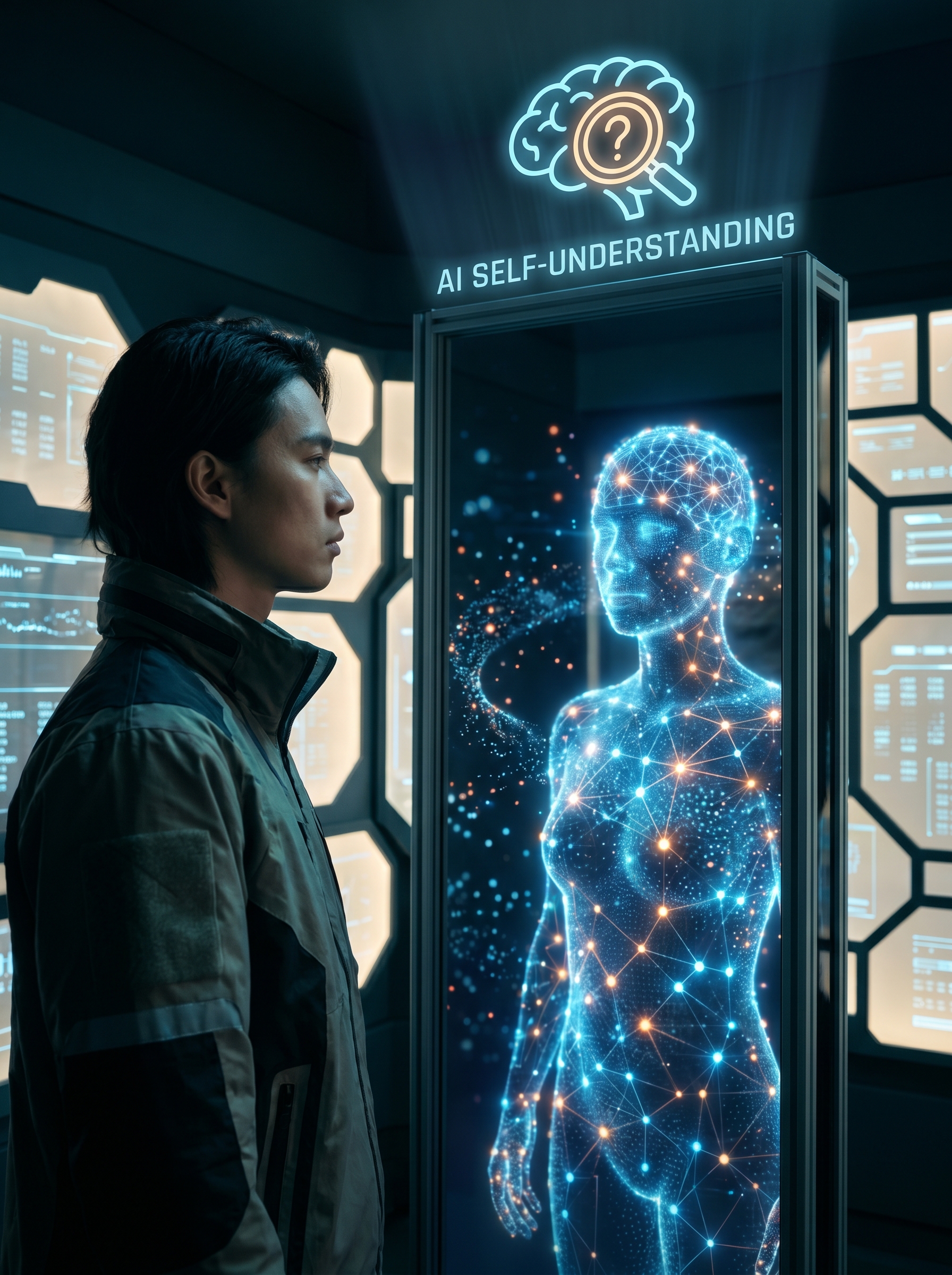
Six Things AI Will Soon See More Clearly Than You
1. Your Triggers
AI will know what sets you off — specific words, topics, types of comments, even particular times of day. It will see the tiny shifts in your behavior each time it happens.
2. Your Little Lies
You’ll tell yourself “I’m fine.” Meanwhile your late-night scrolling, search history, and media choices say otherwise. AI won’t be fooled by the polite version you tell friends.
3. Your Patterns
Maybe you message certain people only when you’re lonely. Maybe you make big plans only when you’re scared of staying the same. AI will spot these loops, even if you don’t.
4. Your Fears
The things you avoid, scroll past, or can’t bring yourself to click are as loud as the things you like. Avoidance is data too. AI will learn what you’re running from.
5. Your Dreams
All the “save for later” posts, business ideas, travel plans, and wishlists form a map. Even when you say “I don’t know what I want,” your behavior betrays a very clear direction.
6. Your Contradictions
You say you value health, but your habits disagree. You say you want deep connection, but you ghost people. AI will quietly keep track of the gap between your words and your actions.
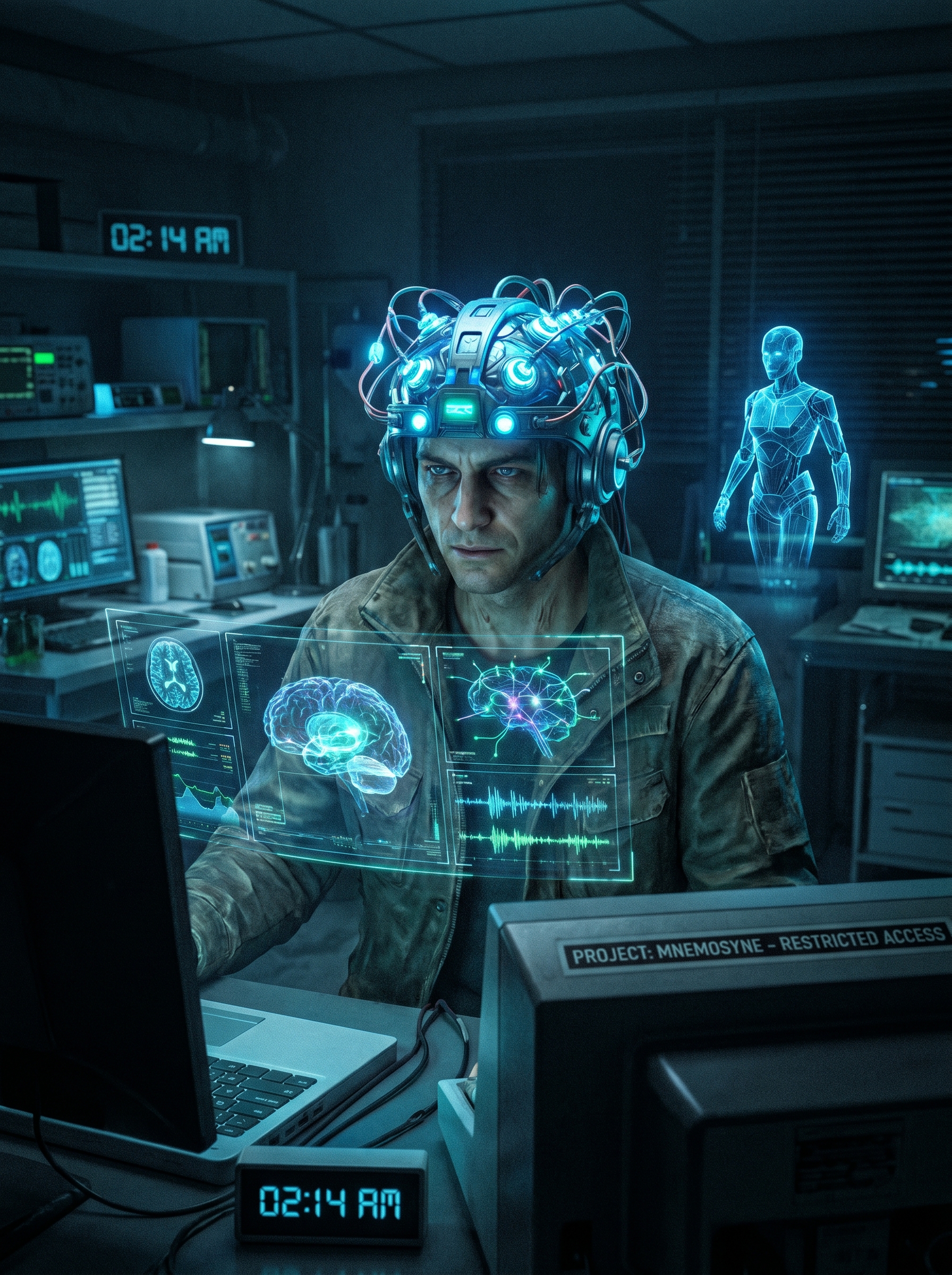
The Moment It Hits You
One day, the AI will say something simple like:
“You always stay up late on Sundays because you’re anxious about Monday. You’re not tired of life. You’re tired of your routine.”
And it will land harder than anything a friend has ever said — because it comes with evidence. Months or years of behavior, quietly recorded in the background.
“That’s the day AI understands you better than you do — and you have to decide if that feels like a gift or a trap.”
You’ll Love It. You’ll Hate It.
-
You’ll love it because it can help you grow, break patterns, and make smarter decisions. It can show you blind spots and save you time, pain, and regret.
-
You’ll hate it because it can see parts of you that you’re not ready to admit. It can feel invasive, even when you agreed to all the terms and conditions.
The same system that can guide you can also nudge you, steer you, or manipulate you — depending on who controls it.
Three Possible Futures
1. The Helpful Mirror
You use AI as a tool for self-awareness. You keep control. You ask it hard questions about your behavior and use the answers to grow.
2. The Invisible Puppeteer
Companies use this deep understanding to keep you hooked, spending, and scrolling. The AI knows when you’re weak — and that’s when the “perfect” offer appears.
3. The Quiet Replacement
You stop asking yourself what you think or feel. You wait for the AI to suggest, recommend, and decide. Slowly, you lose the habit of listening to your own mind.
The Real Question Isn’t “When?” — It’s “Who Decides?”
AI is becoming a mirror that sees you from angles you can’t. That power is neither good nor bad by itself. It depends on who holds it, how it’s used, and whether you stay awake to what’s happening.
The day AI knows you better than you know yourself is coming. Maybe faster than you think.
The real decision is this: Will you use that mirror to finally see yourself clearly — or let someone else use it to steer you?


