In January 2024, a human being had a computer implanted in their brain by a company called Neuralink, moved a cursor on a screen using only thought, and made the evening news for approximately two days. The story then disappeared from public attention. What it represented did not disappear. The merger of human biology and digital technology — the most significant event in the history of our species — had begun, and the world treated it as a product announcement.
The children being born in 2026 will grow up in a world where brain-computer interfaces are in clinical use, where cognitive enhancement through neural implants is available to some, where the boundary between biological intelligence and artificial intelligence is dissolving in real time — and where nobody asked them, or their parents, or anyone, whether this was the direction the species should go. The question of what it means to be human is no longer philosophical. It is a product roadmap with a timeline and a pricing model. And the first version shipped in 2024.
Chapter 01 · What Has Already Happened
The Merger That Already Began — The Evidence
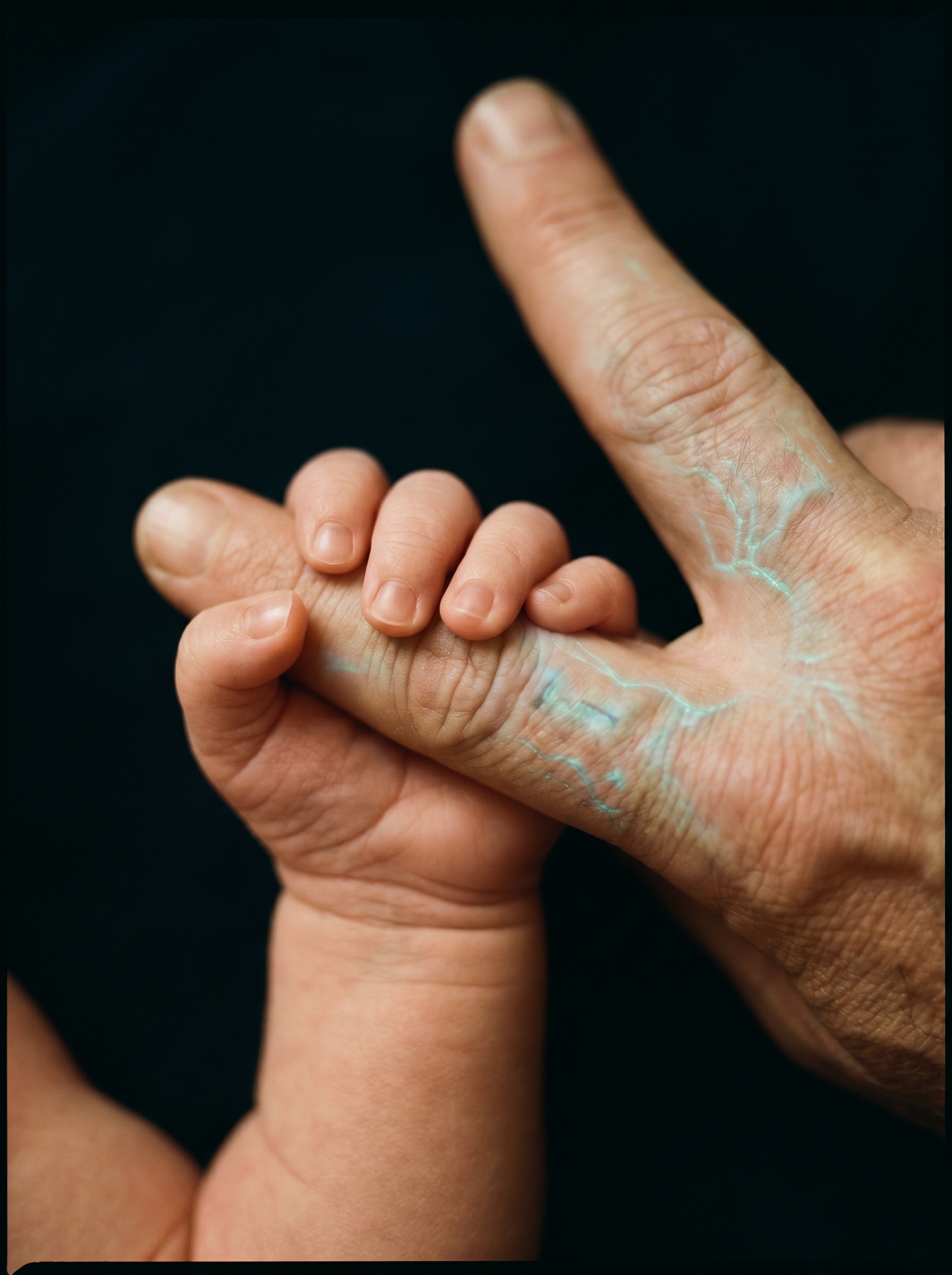
Biological · Unmodified · The Last Generation for Whom This Was the Only Option
🧠
Neuralink · 2024
The First Human With a Computer in Their Brain
In January 2024, Elon Musk's Neuralink received FDA approval and implanted its first device in a human patient. Noland Arbaugh, paralysed from the shoulders down, moved a computer cursor and played chess using thought alone. The device records neural signals from 1,024 electrodes and transmits them wirelessly. This is not a prototype. It is approved and operating in a living human brain right now.
⚡
Synchron · Active
A Stent in the Brain — No Surgery Required
Synchron's Stentrode device is inserted through the jugular vein — no open brain surgery — and lodges in the motor cortex, recording neural signals. Patients with ALS are using it to control computers and communicate via thought. Multiple patients in ongoing trials across the USA and Australia as of 2025.
👁️
Orion · Vision
Restoring Sight — Then Enhancing It
Second Sight's Orion system bypasses damaged eyes entirely, sending visual signals directly to the visual cortex via electrode array. Blind patients see shapes and movement. The next generation of this technology — still in development — will not just restore vision. It will enhance it beyond biological limits.
🎯
Precision BCI · 2025
Reading Thoughts With 94% Accuracy
Researchers at UC San Francisco decoded intended speech from neural signals with 94% accuracy in real time — translating the brain's intention to speak into words without the person making a sound. The system reconstructed full sentences from neural activity alone. The implications for both communication and privacy are without precedent.
Chapter 02 · The Laboratory
What Is Being Built — Right Now · At Scale
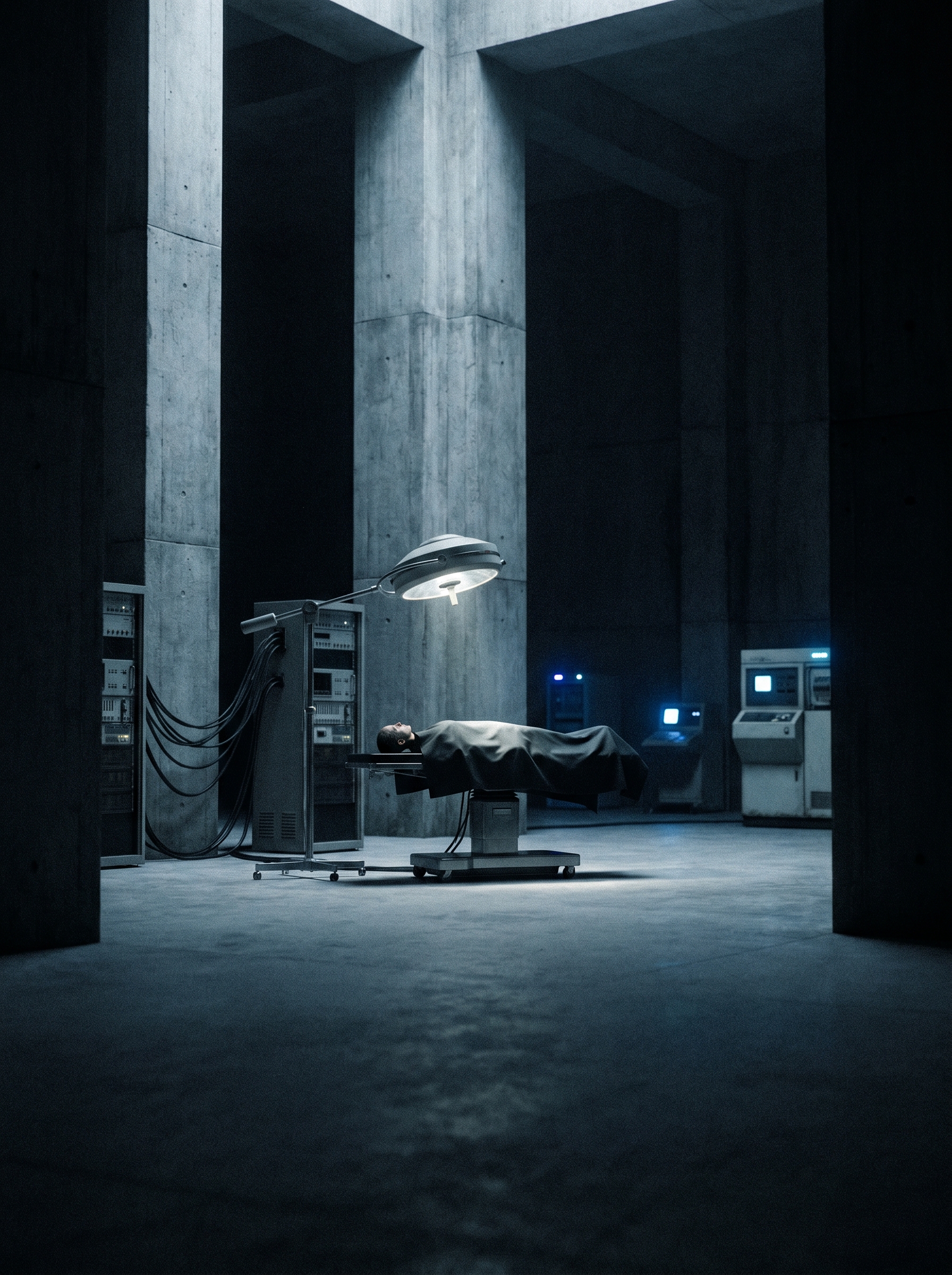
The Laboratory · Where the Species Changes · The Scale of the Room · The Smallness of the Human · The Size of What Happens Here
The current generation of brain-computer interfaces are therapeutic — designed to restore lost function in people with paralysis, ALS, blindness, and severe depression. This is exactly how every transformative technology begins. The telephone was a medical aid for the deaf. The internet was a military communication system. GPS was a navigation tool for submarines. The therapeutic application is the opening chapter. The enhancement application is the next chapter. And that chapter is already being written.
🔬 What Is in Development Right Now — 2026
Neuralink N2: Increased electrode count targeting memory enhancement and direct AI integration. Meta BCI Research: Non-invasive wristband reading neural signals for device control — no implant required. DARPA N3 Programme: Non-surgical BCI for military cognitive enhancement — approved for development. OpenBCI: Open-source BCI hardware enabling civilian developers to build neural applications. Kernel Flow: Helmet-based neural imaging for consumer cognitive enhancement. The therapeutic phase is not the destination. It is the regulatory and social proof of concept that makes the enhancement phase acceptable. That phase is closer than almost anyone outside these laboratories understands.
Chapter 03 · The Question
Where Does the Human End — And the Machine Begin
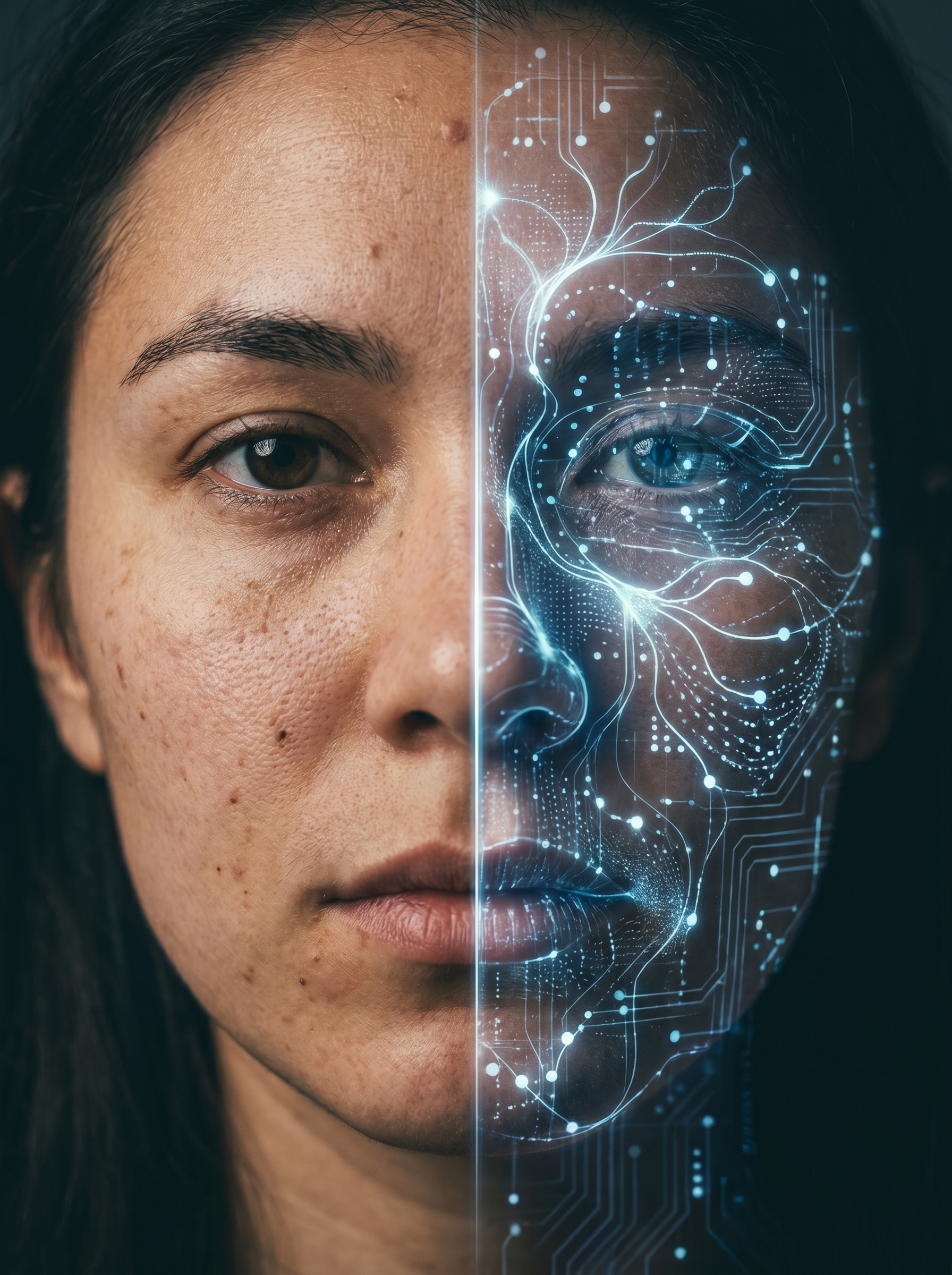
Half Biological · Half Digital · Both Equal · Neither More Real · The Line Between Them · Where Is It Now?
Your brain already runs on biological hardware shaped by millions of years of evolution. It is not perfectly rational, not perfectly reliable, not perfectly fast. A brain-computer interface that augments processing speed, enhances memory recall, enables direct digital communication, and integrates AI assistance at the level of thought — does that make you more than human? Less? Different? Something for which a new word is required?
The philosopher Nick Bostrom's concept of "transhumanism" has been debated in academic circles for decades. In 2026, it is no longer academic. A person with a Neuralink device controlling a computer with their thoughts is already, by most definitions, something that did not exist before 2024. They are biological and digital simultaneously. The philosophy caught up with the technology. The technology did not wait for the philosophy. It never does.
"We are at an inflection point. The question is no longer whether humans and machines will merge. The question is who controls the terms of that merger — and who is left behind by it."
— Dr. Rafael Yuste · Columbia University · Co-Founder · NeuroRights Foundation · 2025
2034
Predicted Year of First Consumer Neural Enhancement Device
Multiple technology forecasters, including Gartner and the Future of Humanity Institute, predict that non-therapeutic consumer brain-computer interfaces — devices available to the general public for cognitive enhancement rather than medical treatment — will reach the market between 2030 and 2038, with 2034 as the median estimate. The children born in 2026 will be eight years old when this happens. They will grow up in the world that comes after.
The Children After
Chapter 04 · The Generation After
The Children Who Will Never Know What "Purely Human" Meant
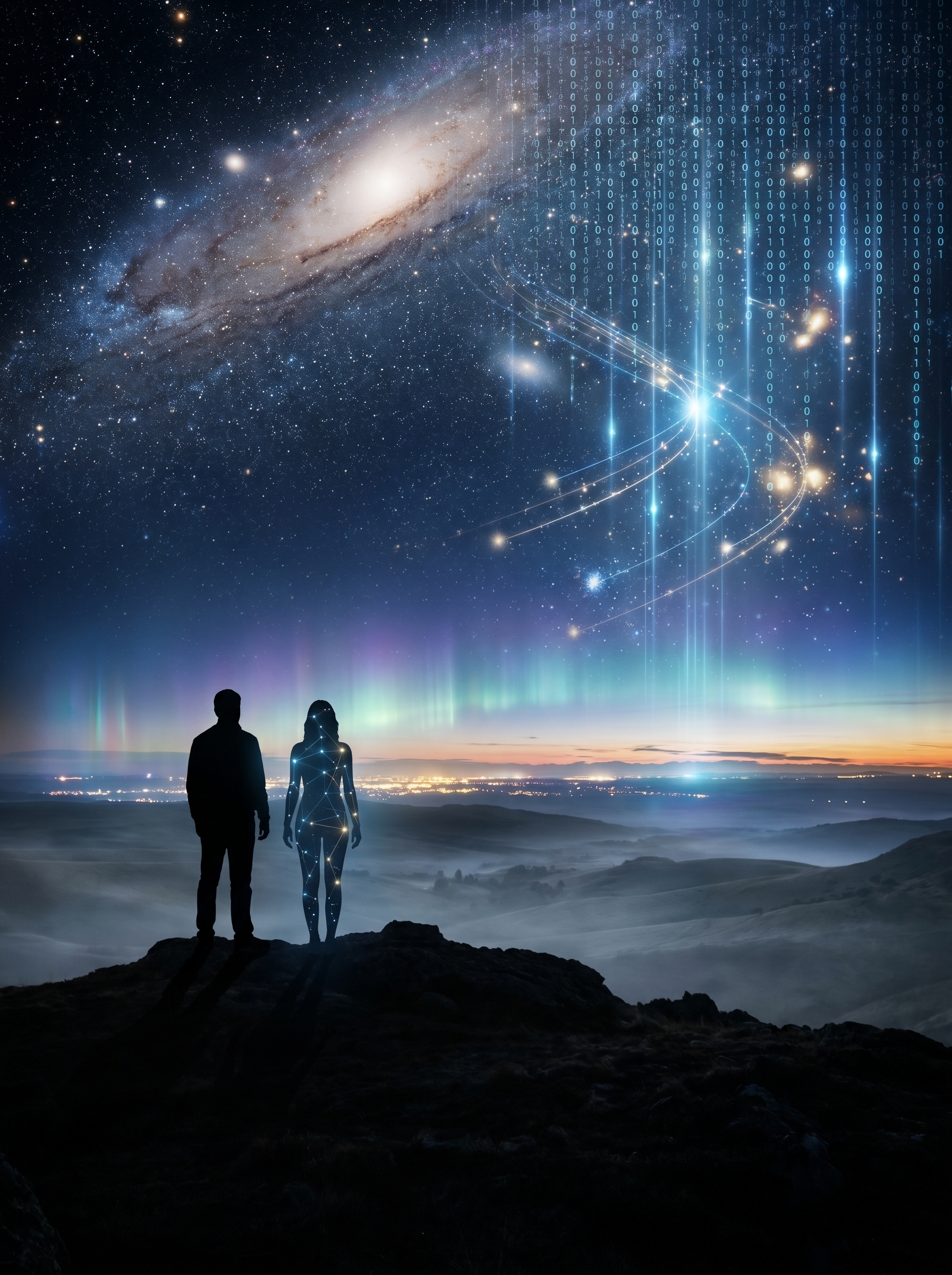
A Classroom · 2034 · One Child · One Device · Nobody Notices · The First Day of the Rest of Human History
The divide will not be between humans and robots. It will be between enhanced humans and unenhanced humans. The gap between a person with neural augmentation — faster processing, integrated AI assistance, perfect memory recall — and a person without will make the current digital divide look trivial. The question of whether enhancement is a choice or an economic necessity will define the politics of the 2030s and 2040s.
Privacy will require a completely new definition. When thoughts can be read from neural signals — as demonstrated at 94% accuracy in 2025 — the concept of a private thought becomes legally and technologically complex. Who owns the data generated by your brain? Can it be subpoenaed? Can it be sold? Can your employer require access as a condition of employment? These questions have no current legal answers. They are being asked right now, for the first time in human history.
The enhancement gap will begin in education. A child with a neural learning assistant — capable of perfect retention, instant recall, and seamless integration of new information — in a classroom with children who have only biological memory is not a hypothetical. It is a 2034 problem being built in 2026 laboratories. The most consequential educational equity issue in history will not be about school funding — it will be about neural access.
The NeuroRights movement is already fighting for what comes next. The NeuroRights Foundation, founded by Columbia neuroscientist Rafael Yuste, has already succeeded in passing the world's first neural rights legislation — in Chile in 2021. Five rights: mental privacy, free will, mental integrity, psychological continuity, and equal access to cognitive enhancement. The fact that these rights needed to be legislated tells you everything about how real the threat has become. Rights are only codified when something capable of violating them already exists.
You are the generation at the hinge. Old enough to remember what purely human means. Young enough to see what comes next. The choices made in the next ten years — about regulation, about access, about what enhancements are acceptable and who controls them — will determine whether the merger of human and machine produces the most extraordinary chapter in human history or the most dangerous one. Those choices are being made now, largely by people who have not announced that they are making them. Knowing this is the beginning of participating in them.