Notification texts go here [ Permium Write, world & All ] join Now!

AI Robots Are Here: 7 Humanoid Robots Changing the World in 2026

Tesla Optimus, Boston Dynamics Atlas and Figure AI are already working in real factories. Meet the 7 real humanoid robots changing every industry, e
Please wait 0 seconds...
Scroll Down and click on Go to Link for destination
Congrats! Link is Generated
Future AI Robots 2026-2035 — The Next Generation
AI & Robotics · 2026 Developing Now

The Next Generation
of AI Robots
Is Almost Here

They walk, think, learn, and work. They are not science fiction anymore. Seven real robots — built by real companies, funded by billions — are about to change every industry, every job, and every home on Earth. Here is what is coming.

🤖 Humanoid 🧠 AI-Powered 🏭 Industrial 🏠 Home Robots ⚕️ Medical 💰 $260B Market
⚡ TESLA OPTIMUS  ·  BOSTON DYNAMICS ATLAS  ·  FIGURE AI  ·  1X TECHNOLOGIES  ·  SANCTUARY AI  ·  AGILITY ROBOTICS  ·  APPTRONIK  ·  HUMANOID ROBOTS  ·  AI WORKFORCE  ·  FUTURE OF WORK  ·  ROBOTICS 2026–2035  ·  ⚡ TESLA OPTIMUS  ·  BOSTON DYNAMICS ATLAS  ·  FIGURE AI  ·  1X TECHNOLOGIES  ·  SANCTUARY AI  ·  AGILITY ROBOTICS  ·  APPTRONIK  ·  HUMANOID ROBOTS  ·  AI WORKFORCE  ·  FUTURE OF WORK  ·  ROBOTICS 2026–2035  · 

The age of humanoid robots has arrived — not in ten years, not in the next decade, but right now, in 2026. Seven major companies have already deployed walking, thinking, working robots in real factories and real warehouses. They are learning. They are getting faster. And within five years, they will be available to everyone. This article is not speculation. Every robot on this list exists. Every fact here is verifiable. The future of humanity just started moving.

$260B
Global Robotics
Market by 2030
7+
Real Humanoid
Robots Active Now
1,000
Tesla Optimus
Units in Production
$20/h
Estimated Cost
Per Robot Hour
2B
Jobs Robots Could
Assist by 2035
127
Countries Investing
in Robotics 2026

Section 01

The 7 Real Robots
Changing the World Right Now

These are not concepts or prototypes locked in laboratories. These are real, functioning humanoid robots that have already been deployed in actual workplaces. Each represents a different approach to the same fundamental challenge: building a machine that can navigate, understand, and work in a world built for human bodies.

Tesla · Elon Musk
Tesla Optimus (Gen 3)
● In Production

Tesla's Optimus is the most ambitious humanoid robot project in history. Currently working inside Tesla's Fremont factory, Optimus handles battery cell sorting, parts transport, and repetitive assembly tasks with increasing autonomy. Elon Musk has stated Tesla plans to produce millions of units annually and eventually offer Optimus as a personal robot. The Gen 3 version walks at 8km/h and has 22 degrees of freedom in its hands — allowing it to pick up an egg without breaking it.

Height
1.73m
Weight
57 kg
Speed
8 km/h
Battery
2.3 kWh
Price Target
~$20,000
AI Brain
Tesla FSD Chip
🦾
Boston Dynamics · Hyundai
Atlas (Electric Gen)
● Active

The new electric Atlas — launched in 2024 — is the most physically capable humanoid robot ever built. It can lift 25kg, perform backflips, climb obstacles, and manipulate objects with precision that no other robot has matched. Boston Dynamics has partnered with Hyundai to deploy Atlas in automotive manufacturing, where it handles components that are too heavy or awkward for human workers. What makes Atlas extraordinary is its range of motion — it can rotate its joints beyond human limits.

Lift Capacity
25 kg
Speed
9 km/h
Joint DOF
28 DoF
Uptime
10+ hours
Deployment
Hyundai Plants
AI
Reinforcement Learning
🧑‍🤝‍🧑
Figure AI · BMW Partnership
Figure 02
● BMW Factory

Figure 02 made history in 2024 when it became the first humanoid robot to work a commercial job at a major automaker — BMW's Spartanburg plant. It handles sheet metal transfer tasks and body-in-white assembly. What sets Figure apart is its conversational AI, built in collaboration with OpenAI, which allows Figure 02 to reason about tasks, ask for clarification, and explain its own actions in natural language. It is not just following commands — it is thinking about what it is doing.

AI Partner
OpenAI
Deployment
BMW USA
Task Speed
60–70% of human
Vision
Multi-camera AI
Language
GPT-4 Integrated
Funding
$675 Million
📦
Agility Robotics · Amazon
Digit
● Amazon Warehouses

Digit is designed specifically for the logistics industry and is already working inside Amazon fulfilment centres handling totes, picking items, and moving inventory. Its backwards-bending legs — modelled on bird anatomy rather than human legs — give it exceptional stability on warehouse floors and the ability to bend and reach in ways human workers cannot. Amazon has ordered hundreds of units. Digit represents the first large-scale commercial deployment of humanoid robots in the world.

Partner
Amazon
Leg Design
Bird-leg anatomy
Task
Tote handling
Units Ordered
Hundreds
Uptime/Day
16+ hours
Funding
$150M Series B
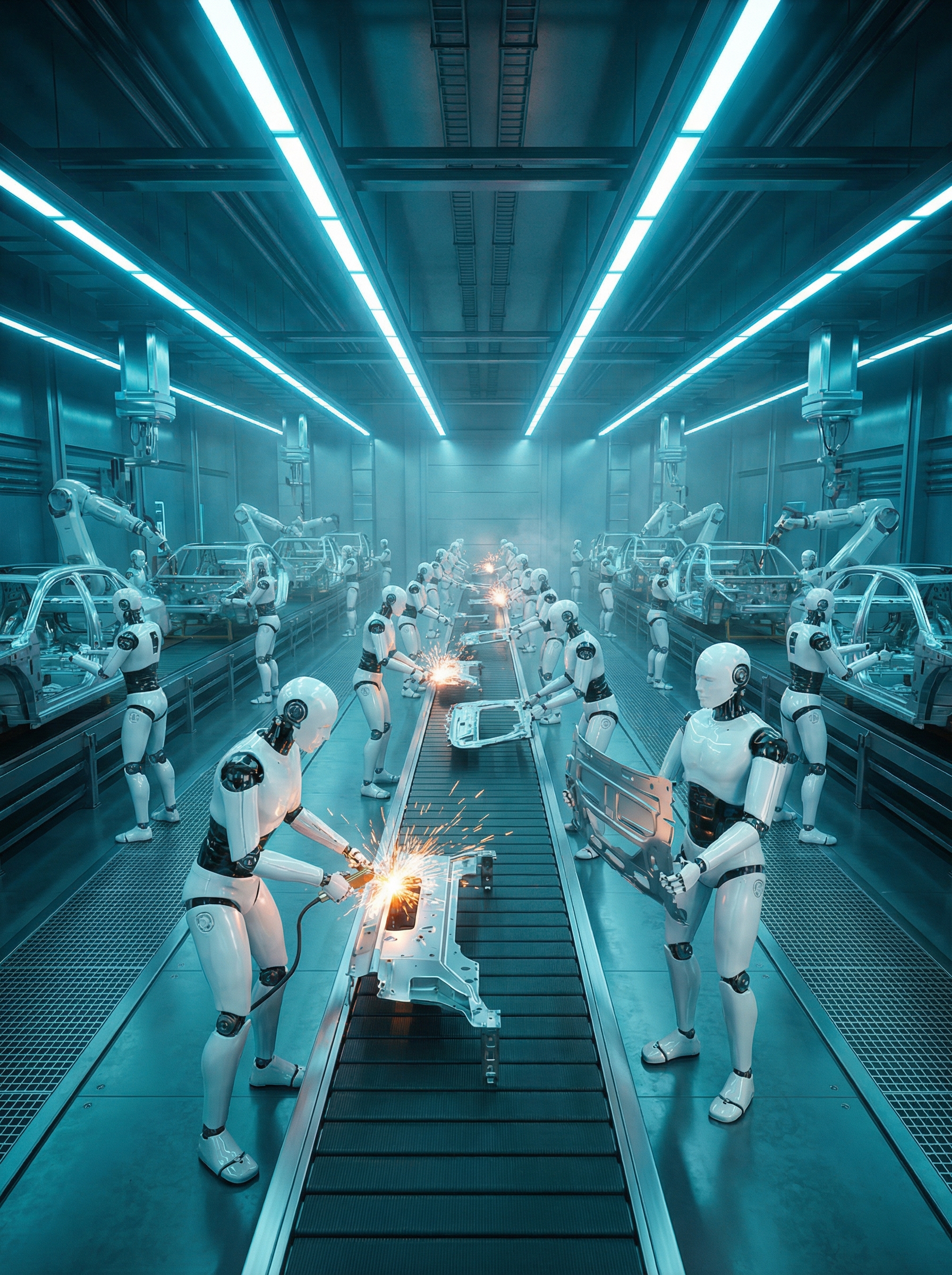
Humanoid robots working in a modern factory
Humanoid Robots in Action · Real Factories · Real Work · 2026
Watch on YouTube Tesla Optimus — Factory Work Demonstration
The Roadmap

Section 02

The Robot Revolution
Timeline: 2026 to 2035

The development of humanoid AI robots is not moving in a straight line — it is accelerating exponentially. Every six months, the capabilities of these machines advance more than they did in the previous five years. Here is what the verified roadmap looks like, based on company announcements, manufacturing plans, and research trajectories.

2026 Right Now

🏭 Factory Deployment — First Wave

Tesla Optimus, Figure 02, Boston Dynamics Atlas, and Agility Digit are all working in real factories today. Tasks are repetitive and structured. Robots work alongside human supervisors. Thousands of units are being manufactured. The price is still high — roughly $150,000–$250,000 per unit — but costs are falling every quarter.

2027–2028 Near

🏪 Retail & Logistics at Scale

Major retailers and logistics companies begin large-scale robot deployments. Supermarket restocking, hospital supply delivery, and parcel sorting become robot-handled tasks. Prices drop below $50,000 as production scales. Small businesses begin leasing robots by the hour rather than purchasing.

2029–2031 Approaching

🏗️ Construction & Agriculture

Robots begin working in construction — carrying materials, operating tools, and performing precision tasks like welding and drilling. Agricultural robots harvest crops, manage greenhouses, and operate in conditions too extreme or repetitive for human workers. The physical labour shortage begins to resolve — permanently.

2032–2035 Future

🏠 The Home Robot Era Begins

Affordable humanoid robots — priced below $20,000 — become available to consumers. They cook, clean, assist elderly people, and manage household tasks. Tesla's public statements suggest they aim to make Optimus as affordable as a mid-range car. The question of what humans do with unlimited robotic labour begins to define global political debate.

Watch on YouTube Boston Dynamics Atlas — The Electric Humanoid Robot

Section 03

What Makes These Robots
Actually Intelligent

The hardware — the walking, grasping, balancing — is difficult. But the intelligence is the revolution. Previous robots were programmed for one specific task. These new humanoid robots are trained using the same AI techniques that power ChatGPT, Gemini, and Claude — but applied to physical action rather than language. The result is machines that can generalise — learning from one task and applying that knowledge to a new one.

This is called embodied AI — intelligence that lives inside a physical body and interacts with the physical world. Training works by having robots watch thousands of hours of humans performing tasks, then practice the same tasks themselves in simulation (running millions of virtual attempts in hours), then transfer what they learned to the real world. Every mistake the robot makes teaches the AI. Every successful task strengthens it. These robots get smarter every day they operate.

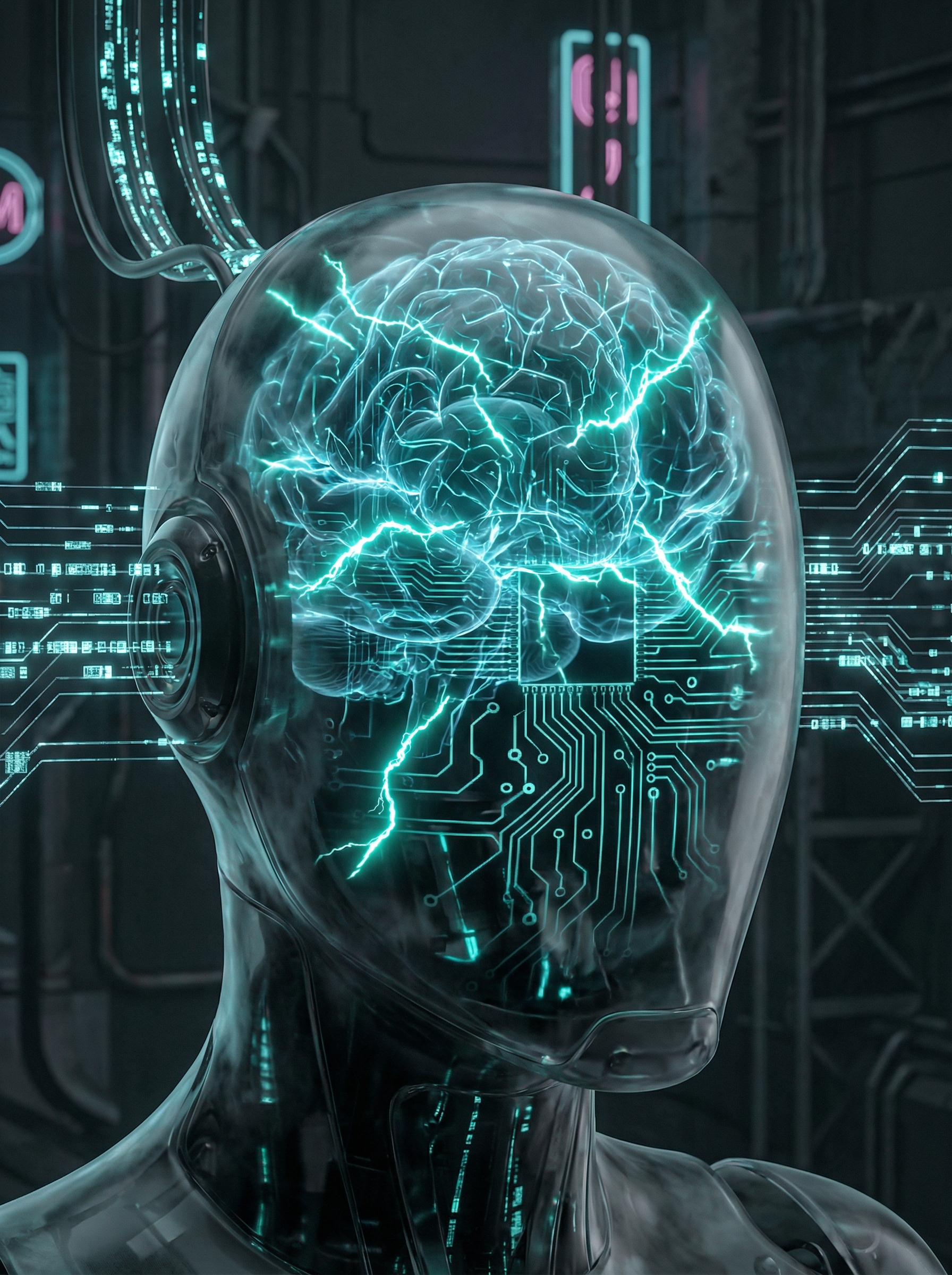
AI robot brain visualization — neural networks in robotic mind
Embodied AI · How Robots Learn to Think, See, and Act in the Real World
10M+

Simulated Training Hours Per Robot Per Day

Modern AI robots train in virtual environments running hundreds of times faster than real time. A robot can experience the equivalent of 10 million hours of practice in a single day of simulation. This is why their improvement curve is not linear — it is exponential. What took the first generation of robots years to learn, the next generation learns in weeks.

Watch on YouTube Figure 02 Robot — Conversations with OpenAI
Impact

Section 04

What Happens to
Human Work?

This is the question that every economist, every government, and every worker on Earth needs to be asking — loudly, urgently, and right now. The arrival of capable, affordable, general-purpose humanoid robots is the largest transformation in the history of human labour. It is not comparable to the industrial revolution. It is bigger. The industrial revolution replaced human muscle. This replaces human muscle and an increasing portion of human cognitive work simultaneously.

The most optimistic view holds that robots will free humans from dangerous, repetitive, and physically damaging work, creating conditions for a new era of human creativity, care, and intellectual pursuit. The most concerning view notes that the transition will be rapid, uneven, and will devastate employment in specific sectors — manufacturing, logistics, agriculture, cleaning, and basic service work — that currently employ hundreds of millions of people worldwide.

⚠️

The Jobs Question — What Experts Say

The World Economic Forum estimates that by 2030, 85 million jobs will be displaced by automation and robots — but also that 97 million new roles will emerge. The challenge is the mismatch: displaced workers in factories and warehouses are not automatically equipped for new roles in robot maintenance, AI oversight, and the care economy. The transition requires a global reskilling effort of unprecedented scale. Whether governments are prepared for this remains the most important open question of the decade.
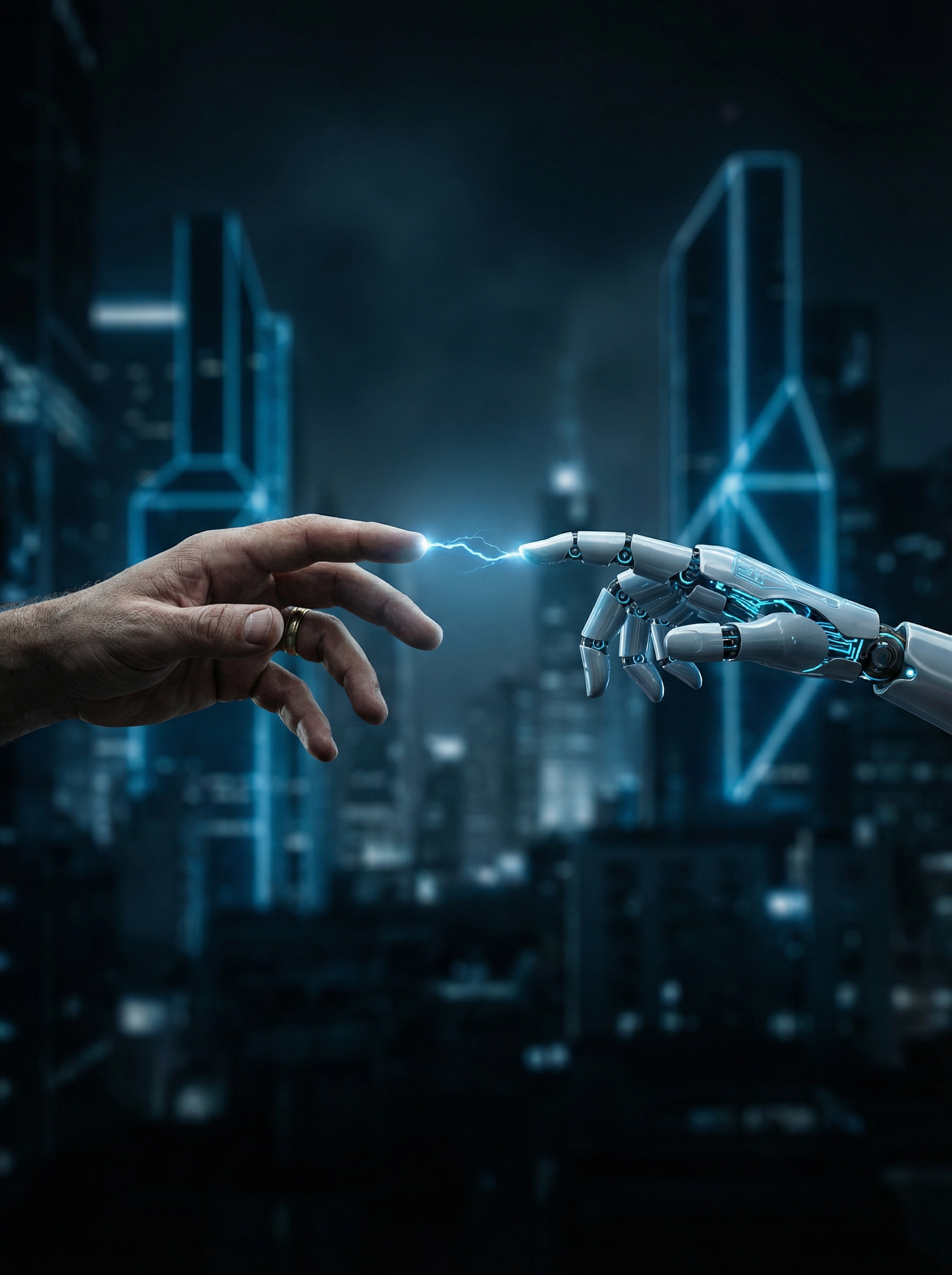
Human and robot working together side by side in modern factory
Human + Robot · Collaboration · The Near Future of Every Workplace
Watch on YouTube Agility Robotics Digit — Working at Amazon Warehouse

Section 05

The Robots That
Don't Exist Yet — But Will

Beyond the robots working today, several companies are developing capabilities that sound like science fiction but are grounded in real research trajectories. These are not guesses — they are documented development pathways that laboratories and companies have publicly committed to pursuing.

Medical surgical robots that can perform complex operations with precision exceeding any human surgeon are already in advanced clinical trials. Emergency response robots that enter collapsed buildings, burning structures, and nuclear environments without risking human life are being tested by DARPA and various national militaries. Companion robots designed to support elderly people with cognitive decline — providing consistent conversation, medication reminders, and physical assistance — are being developed by companies including Samsung and Sony.

Perhaps most significantly, researchers at MIT, Stanford, and Carnegie Mellon are working on soft robots — machines made from flexible materials rather than rigid metal and plastic — that can safely interact with human bodies, squeeze through narrow spaces, and operate in environments where traditional robots would cause damage. The next generation of robots will not look like robots at all.

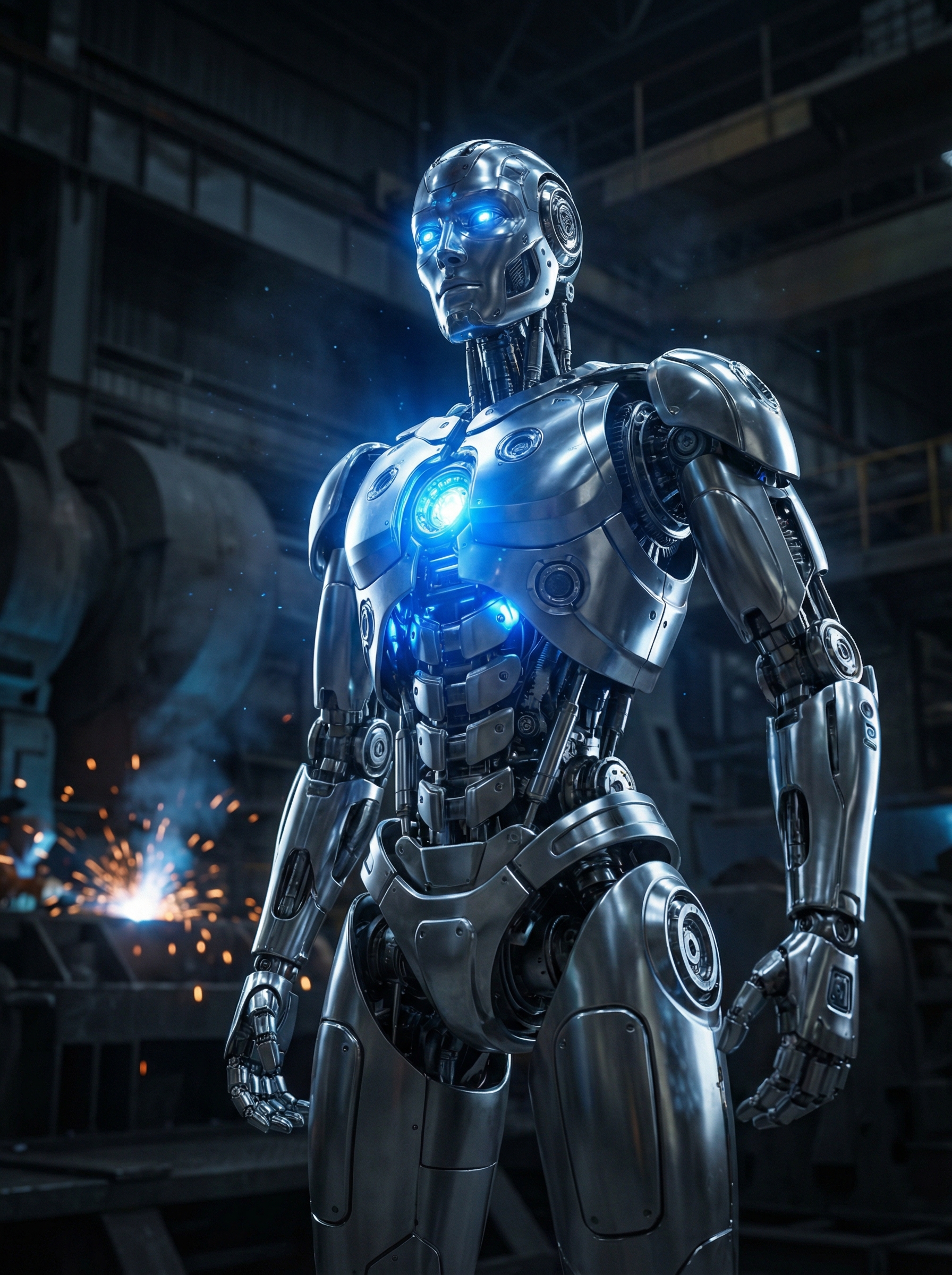
Next generation AI robot of the future — advanced humanoid
The Next Generation · 2030–2035 · What Robots Will Become
Watch on YouTube The Future of AI Robots — 2030 Vision
🤖 AI Robotics · Verified · 2026

The Future Is Not
Coming. It Is Here.

The question is no longer whether robots will transform human civilisation. That is already happening. The question is how fast, how equitably, and whether the humans making decisions today are thinking clearly about what comes next. The robots are learning. The question is whether we are.

AI Robots Tesla Optimus Boston Dynamics Figure AI Humanoid Robot Future Technology Robotics 2026 Artificial Intelligence Future of Work Technology News Innovation 8B
Oops!
It seems there is something wrong with your internet connection. Please connect to the internet and start browsing again.